This article may contain affiliate links.
Updated: July 17, 2026
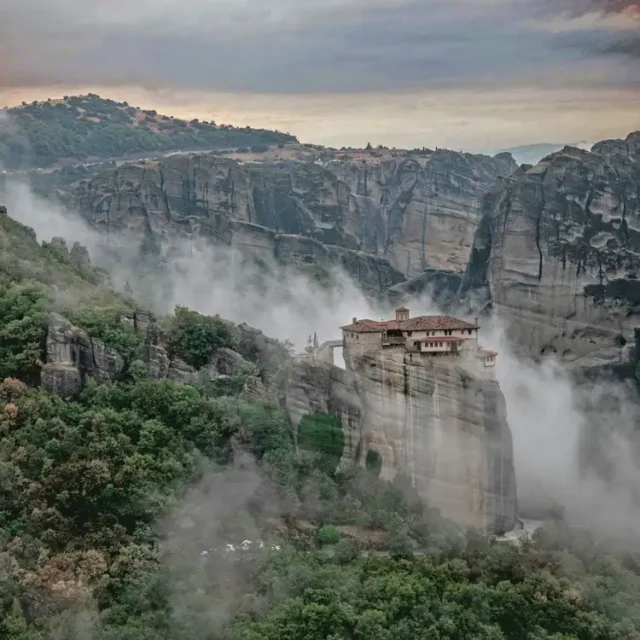
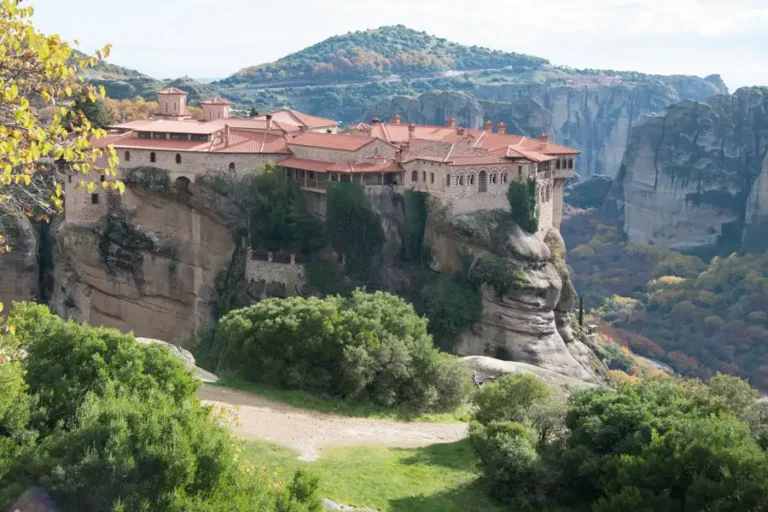
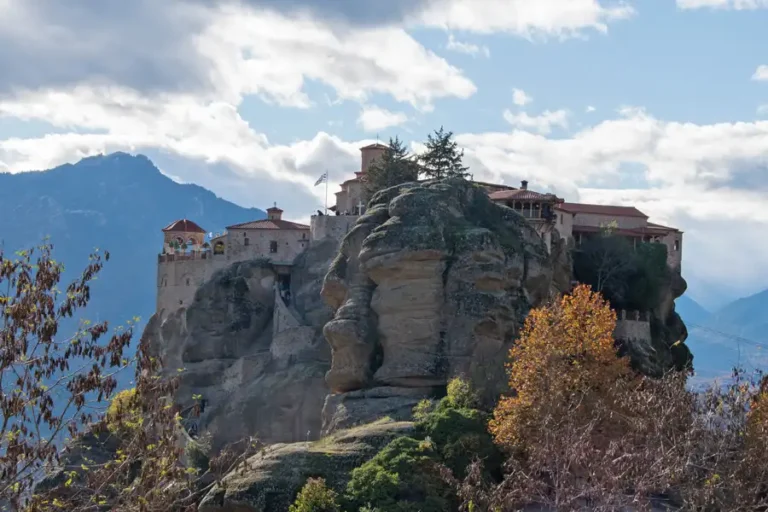
Visiting Meteora is one of the most awe-inspiring experiences in Greece. Monasteries perched on top of massive rock formations, surrounded by a landscape unlike anything else.
In this guide, I’ll tell you everything you need to plan your visit: how to get there, how many days to spend, which monasteries to see, what to wear, the best viewpoints, and practical tips to help you make the most of your time.
📶 eSIM to stay connected from the moment you land — 5% off
🏨 Accommodation with great deals
🛡️ Travel insurance with up to 15% off
🚗 Car rental at the best price
Tips for Visiting Meteora
1. How to Get to Meteora
When planning your trip to Meteora, use Kalambaka as your reference point. It’s the main town in the area and where public transport arrives.
From Athens, these are the best options:
- Train: This is the most comfortable option if you’re not planning to drive. The journey takes around 5 hours with a transfer in Palaiofarsalos. Trains leave from Larissa Station in Athens and arrive directly in Kalambaka. You can buy tickets on the official website or on this other website, which usually works better.
- Car: The drive takes between 3.5 and 4 hours. It’s the most flexible option if you want to move freely between the monasteries. Driving in Greece is generally quite straightforward—except in Athens, which is pure chaos. To rent a car, I recommend this website, where I always book and find very good prices.
- Tour: This is the most practical option if you only have one day and, depending on the season, it can even be cheaper than taking the train. I can recommend this day-trip, which is very complete and reasonably priced. It’s the tour I took when I visited Meteora for the first time.
⭐ Related article: How to Get to Meteora from Athens with all the options explained.
2. How Many Days to Spend in Meteora
This is probably the most common question, and the answer depends on what you want to see and how you’re traveling.
🔹 Meteora in 1 Day
It’s possible, but a bit rushed. If you arrive in the morning by car or organized tour, you’ll have enough time to visit around 3 monasteries.
You might even catch the sunset from one of the viewpoints, depending on the time of year (in summer it gets dark very late) and your return schedule.
What you miss out on is a relaxed sunset, the early morning without tour buses, and that feeling of having the place almost to yourself.
🔹 Meteora in 2 Days
If you have the time, my recommendation is to spend at least 2 days here. That gives you enough time to:
- Visit the 4 main monasteries at a relaxed pace, or even all 6 if you have 2 full days
- Explore one of the hiking trails between the rocks
- Watch the sunset without rushing from one of the viewpoints
- Enjoy sunrise, when the area is almost empty
3. Best Time to Visit Meteora
Meteora can be visited year-round, and each season gives you a unique experience. Here’s a quick summary to help you decide.
| Season | Pros | Cons |
|---|---|---|
| Spring (Apr–May) | Ideal weather, green landscapes, perfect light for photos | Easter can be very crowded |
| Summer (Jun–Aug) | Long days, all monasteries open | Intense heat, crowds, less enjoyable for walking |
| Autumn (Sep–Oct) | Pleasant temperatures, fewer tourists than summer | Occasional rainy days |
| Winter (Nov–Mar) | Almost no tourists, dramatic mist between the rocks | Cold weather, reduced opening hours at some monasteries |
The best time to visit is spring or autumn. The weather is pleasant, the light is beautiful, and the monasteries are not overcrowded. The scenery is stunning too—lush and green in spring, while autumn colors are especially beautiful.
If you’re traveling in summer, start visiting before 9 a.m. to avoid the midday heat and the organized groups that arrive later in the morning.
Winter has its own charm: fog drifting between the rocks creates an almost unreal atmosphere, and you might even catch a snowfall that adds a magical touch. But perhaps the best part is the lack of crowds—you can have the viewpoints almost entirely to yourself.
4. Which Monasteries to Visit in Meteora
There are six monasteries open to the public, but not all offer the same experience or views. You don’t need to visit all of them—it’s better to choose wisely and enjoy each one at a relaxed pace.
These are the four most worthwhile:
1. Great Meteoron
This is the largest and most important monastery in the complex. Set in a very elevated position, it offers a complete experience thanks to both its views and historical significance.
- Difficulty: moderate (quite a few stairs)
- Best part: panoramic views and the museum inside
- Visit time: around 1 hour
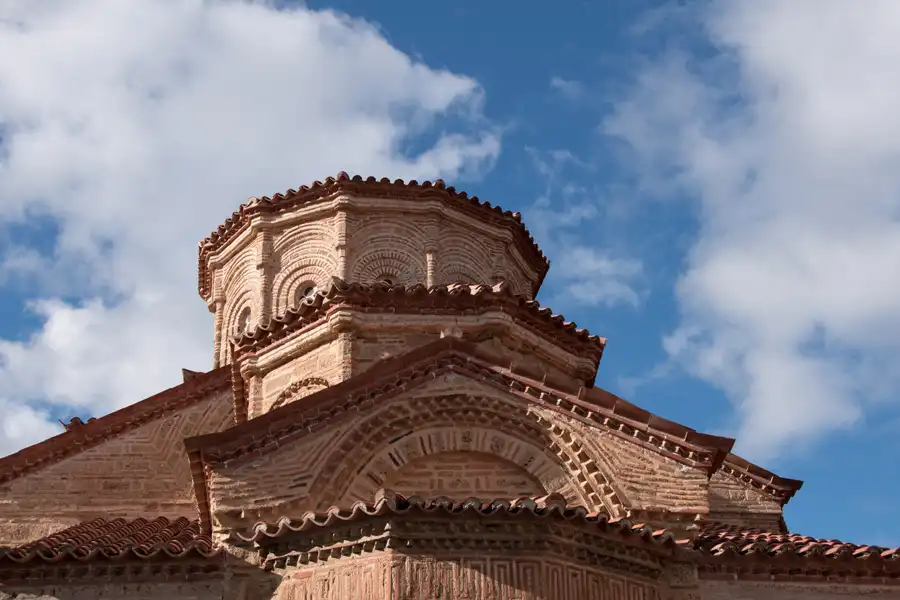
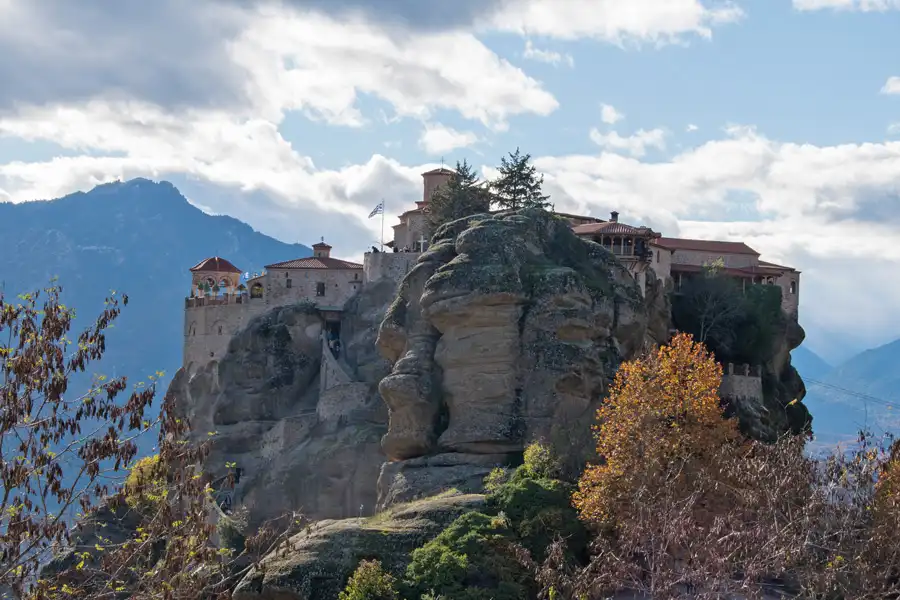
2. Varlaam
One of the most balanced options for visitors. It has beautiful views, is easy to explore, and is usually one of the most popular stops.
- Difficulty: moderate
- Best part: easy access and great panoramas
- Visit time: 30–45 minutes
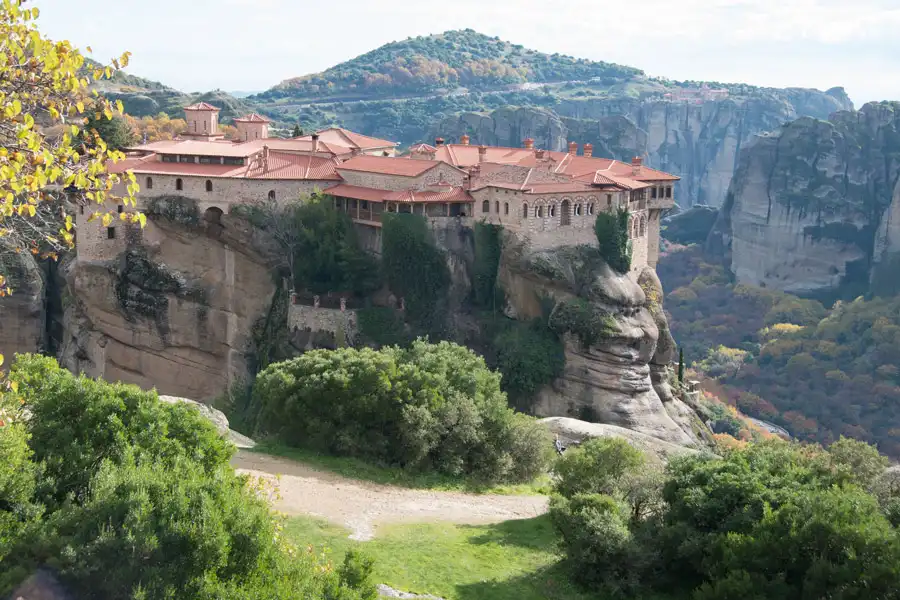
3. Roussanou
This monastery stands out for its lower position and highly photogenic surroundings. It’s one of the most pleasant to visit without too much physical effort.
- Difficulty: low to moderate
- Best part: its beauty and close-up views of the rock formations
- Visit time: 30–40 minutes
4. St. Stephen
This is the most accessible monastery of all, as it doesn’t involve the long stairways found at the others. It’s easy to reach and ideal if you’re looking for a more relaxed visit.
- Difficulty: low
- Best part: easy access and valley views
- Visit time: 30–45 minutes
5. How to Get Around Meteora
Getting around Meteora requires a bit of planning, as the monasteries are spread across different rock formations and are not always conveniently connected on foot.
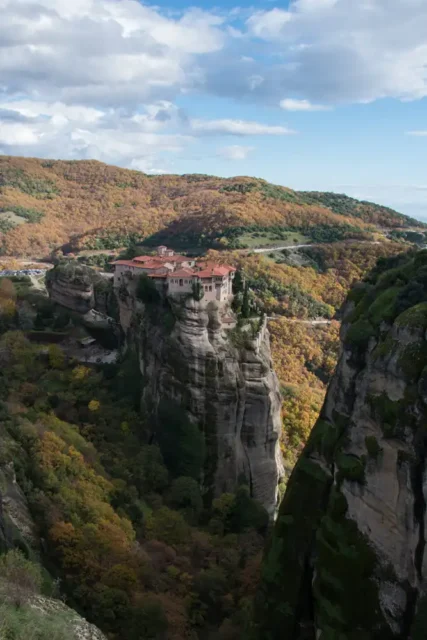
From my point of view, these are the best ways to explore the area:
- Car: This is the most practical option if you want the freedom to move between viewpoints and monasteries, stop whenever you like, and make the most of your time—especially if you only have one or two days. You can rent a car at a very good price on this website.
- Motorbike: This was actually the option that worked best for me, as it’s easier to park near the monasteries and more convenient for stopping at viewpoints to take photos. Both Kastraki and Kalambaka have several rental companies with prices starting from 25 euros per day.
- Tours: The best alternative if you don’t want to drive, allowing you to maximize your time. This half-day tour is quite comprehensive and includes pickup in Kalambaka if you arrive by public transport.
⭐ Related article: How to get around Meteora with all the options explained.
6. Monastery Opening Days and Hours
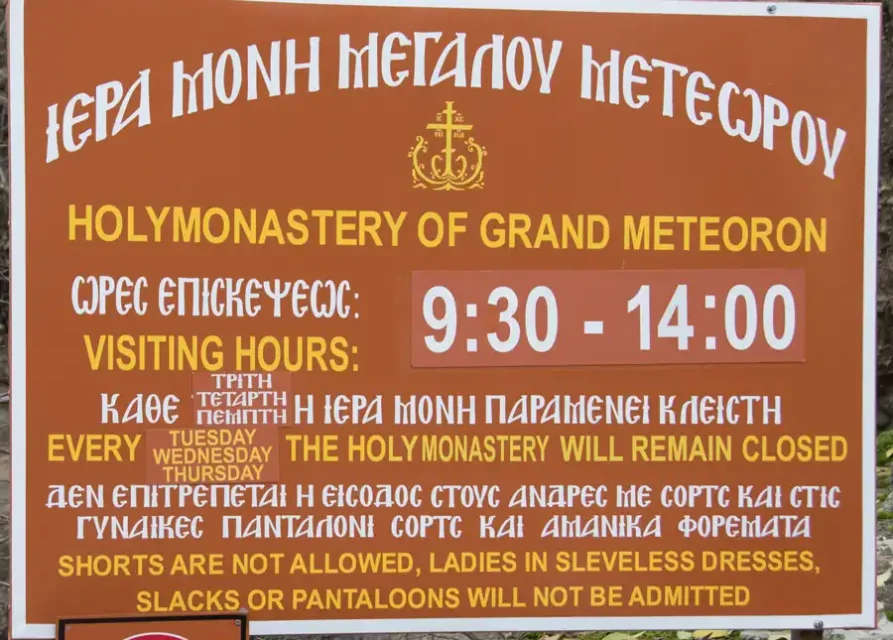
All monasteries are closed at least one day a week, opening hours are somewhat limited, and schedules vary slightly depending on the season. Here are all the details:
| Monastery | 🌞 Summer Hours | Closed (summer) | ❄️ Winter hours | Closed (winter) |
|---|---|---|---|---|
| Great Meteor | 9 am to 3 pm | Tuesday | 9:30 am to 2 pm | Tuesday, Wednesday and Thursday |
| Varlaam | 9 am to 4 pm | Friday | 9 am to 3 pm | Thursday and Friday |
| Roussanou | 10 am to 4 pm | Wednesday | 9 am to 2 pm | Wednesday |
| Saint Nicholas Anapafsas | 9 am to 4 pm | Friday | 9 am to 4 pm | Friday |
| The Holy Trinity | 9 am to 5 pm | Thursday | 10 am to 4 pm | Wednesday and Thursday |
| Saint Stephen | 9 am to 1:20 pm 3:30 pm to 5:30 pm Sun: opens 9:30 am | Monday | 9:30 am to 1 pm 3 pm to 5 pm | Monday |
7. Monastery Entrance Fees
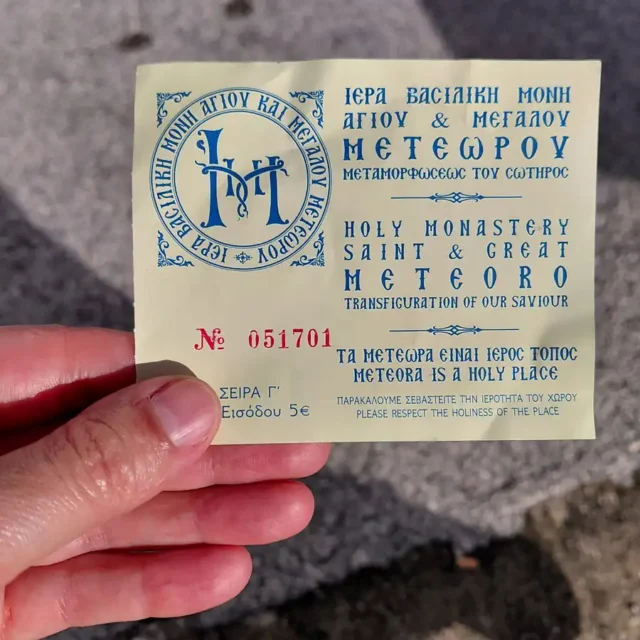
Entry to the monasteries costs 5 euros per monastery, and there is no combined ticket available. Payment is made at the entrance when you arrive, and there is no reservation system.
In general, they do not accept credit cards, so it’s best to bring cash.
8. What to Wear and Entry Rules
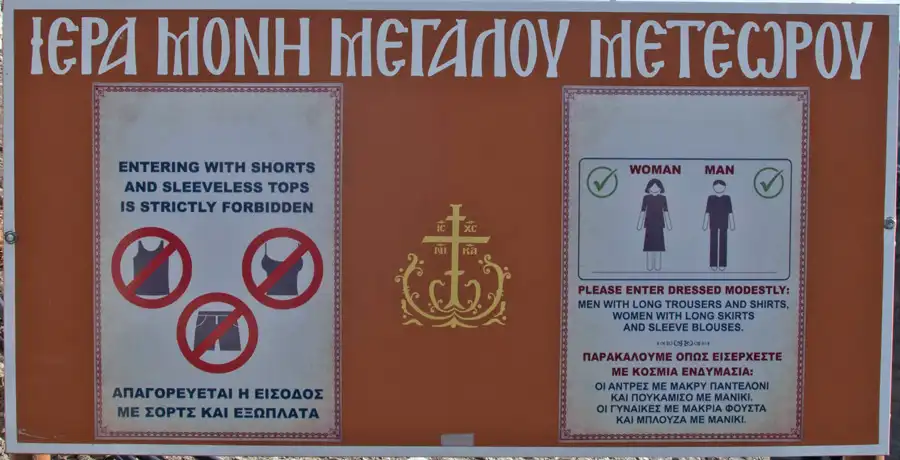
To visit the monasteries of Meteora, it’s important to come prepared. Since these are active religious sites, we as visitors need to respect certain dress rules.
🔹 Dress Code
- Covered shoulders for both men and women
- Long trousers for men
- Long skirt for women *
- Avoid very short or overly tight clothing
- Headscarf for women *
* For us women, the long skirt and headscarf are required to enter the churches inside the monastery grounds. In other words, you can access the monasteries without any problem, even wearing trousers, as long as your clothing is modest. However, when entering the church, you’ll need to cover yourself with a long skirt and a headscarf.
At almost all monasteries, there are baskets with both items available to borrow, except at Varlaam, where they are sold for €3.50 (cash only).
My recommendation is to either wear appropriate clothing from the start or carry a sarong and a scarf in your backpack. At least, that’s what I did.
🔹 Footwear
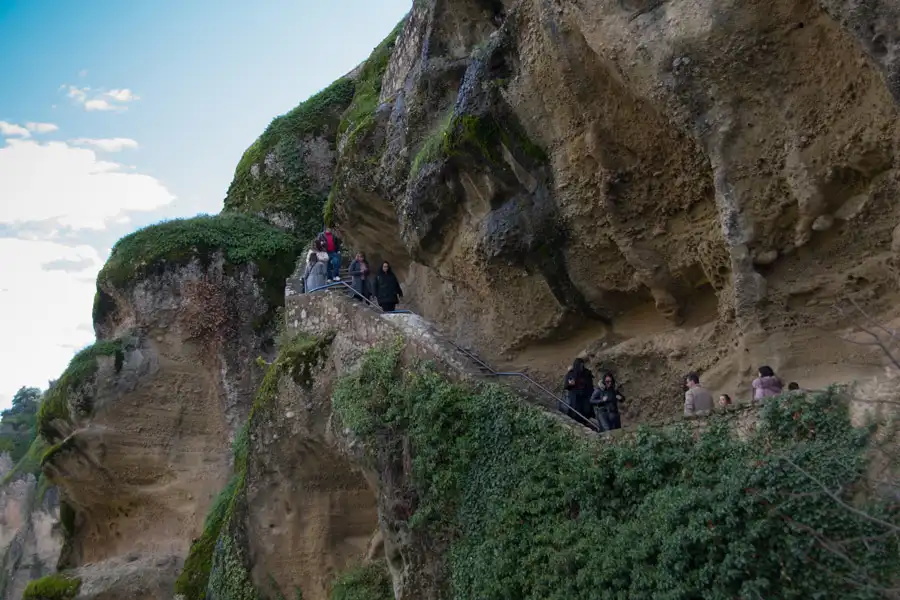
There are no footwear restrictions for visiting the monasteries. That said, keep in mind that the terrain is not always even, and most monasteries have stone staircases that can become slippery on rainy days. The viewpoints are also rocky areas.
So ideally, wear comfortable shoes, preferably with some grip on the soles.
9. Best Viewpoints and Sunset in Meteora
One of the most special moments of visiting Meteora is sunset. The light transforms the rock formations completely, and that’s when the landscape becomes truly magical. Definitely not to be missed!
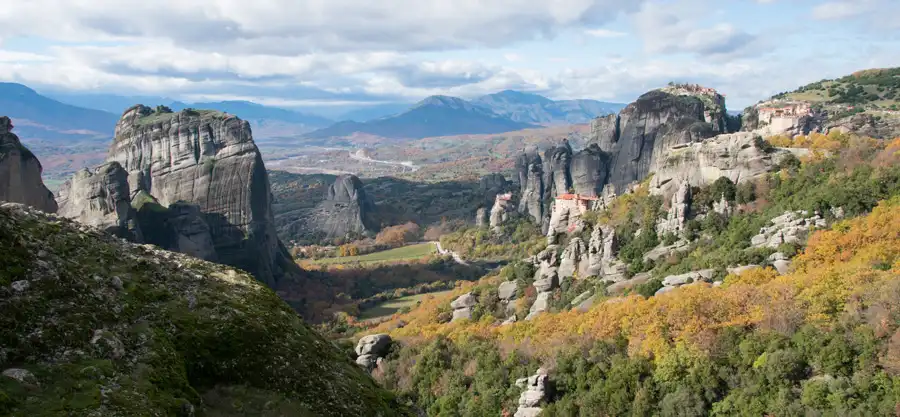
🔹 Main Observation Deck: Meteora’s Most Famous Viewpoint
There are several viewpoints scattered along the main road between the monasteries, but the most iconic is the Main Observation Deck. You’ll find its exact location on the map below.
From here, you’ll get stunning panoramic views over the valley and several of the main monasteries. These views are unmissable.
It’s also a great place to watch the sunset. That said, because it’s so popular, it gets crowded, so I recommend arriving early—at least 45 minutes beforehand. That way, you’ll get a good spot and can enjoy the changing colors without rushing.
🔹 Psaropetra Viewpoint
If you want to experience sunset or sunrise in the best possible setting, Psaropetra is your spot. The orientation and light at these times of day make it the most special viewpoint in the entire area. At least, it was my personal favorite.
There’s a small parking area right in front, but it tends to fill up at sunset, so here too I recommend arriving early
Keep in mind that it’s incorrectly marked on Google Maps—I’ve marked the correct location on the map below.
❌ The Fake Psaropetra Viewpoint
For that exact reason, be careful with the point that Google Maps mistakenly labels as Psaropetra. It’s away from the main road, requires about a 20-minute walk to reach, and to make matters worse, the trees almost completely block the view.
To add to the confusion, the photos shown on Google Maps are not from that location but from the real Psaropetra, which leaves many people seriously disappointed. Unless you’re tall or hold your camera above your head, you’ll barely see anything. In short: don’t waste your time!
🔹 Other Viewpoints
Finally, I recommend stopping at the other viewpoints as you visit the monasteries. Each one offers a different perspective, and they’re well worth a stop if you’re not in a hurry.
10. Practical Tips
- Start your visit early to avoid the heat and tour groups
- Always carry water, especially during the warmer months
- Avoid the middle of the day in summer, when the heat is strongest
- Wear a cap or hat if you’re visiting during the hottest months
- Plan your itinerary around the monasteries’ opening days and hours
- Don’t try to visit every monastery in a single day; it’s better to choose wisely
- Make time for at least one sunset—it’s one of the best experiences of the trip
- If you have a car, take advantage of it and stop at different viewpoints between visits
11. Where to Stay
Choosing the right area to stay is key to making the most of Meteora, depending on how you plan to get around and the type of experience you’re looking for.
The main places to stay are:
- Kalambaka: This is the main town, so you’ll find more hotels and restaurants here, and it’s also where public transport arrives. It’s a bit more affordable and practical too. Here you can check all accommodation options.
- Kastraki: This village sits right beside the rock formations and has a more relaxed atmosphere with spectacular views. If you’re looking for somewhere special, don’t think twice—I absolutely loved it. On this website, you can check accommodation options.
⭐ Related article: Where to stay in Meteora: best areas and hotels
Map
FAQs
1. Can You Visit Meteora Without a Car?
Yes, it’s possible. You can get around with organized tours or by combining taxis and walking. There are also some buses, although having a car gives you much more flexibility.
In my guide on how to get around Meteora I explain all the options in detail.
2. Which Is the Best Monastery?
If you only have time to visit one monastery—or simply don’t want to enter them all—Great Meteoron is the most complete option. That said, Varlaam and Roussanou are also highly recommended.
3. Is Meteora Suitable for Children?
Yes, but keep in mind the staircases and uneven sections. Some monasteries, such as St. Stephen, are more comfortable for families.
4. How Many Steps Are There?
It depends on the monastery. Some have long stairways, while others, such as St. Stephen, are much easier to access.
5. Can You Go Hiking?
Yes, there are hiking routes between the rock formations and along ancient monk paths. They’re a great alternative if you want to experience Meteora from a different perspective.
Final Thoughts
Visiting Meteora is an experience you simply shouldn’t miss on a trip to Greece, combining culture with truly unique landscapes. You just need to plan well according to the season of your visit and the places you want to see.
I’ll leave you with a quote:
Travel is like a sunset—if you wait too long, you miss it.
If you have any questions, leave me a comment below and I'll help you as much as I can. If you found the article useful, share it with other travelers. Have a good trip! 😘
More about Meteora & Greece


Hi, I’m Andrea, creator and author of Viajeros Activos (Active Travelers). I write about Southeast Asia, the Caucasus, and Europe. I’m a full-time traveler, passionate about good food, and always looking for new adventures.