This article may contain affiliate links.
Updated: May 12, 2026
Driving in Georgia is the best way to explore the country — but it's not for everyone.
It's worth it if you like traveling at your own pace, want to reach mountain areas or off-the-beaten-path places, and have some driving experience. On the other hand, if chaotic traffic stresses you out, you prefer hassle-free trips, or you're only moving between major cities, it's probably not your best option.
After living in Georgia for a year and driving around the country on many occasions, I can tell you it's not as dangerous as people sometimes make it sound… but it's also not exactly a relaxing place to drive. Here, you need patience, focus, and the ability to accept that you'll see things on the road you'd never expect.
In this guide, I'll tell you exactly what to expect so you can make an informed decision about whether renting a car in Georgia is right for you.
If you've already made up your mind and don't have time to read the whole guide, I recommend using this search engine to find affordable and reliable local rental companies.
📶 eSIM to stay connected from the moment you land — 5% off
🏨 Accommodation with great deals
🛡️ Travel insurance with up to 15% off
🚗 Car rental at unbeatable prices
Is It Worth Renting a Car in Georgia?
The most honest answer is: it depends on the kind of trip you want to have.
Renting a car in Georgia has plenty of advantages, but also some real drawbacks that are worth understanding before you decide.
✔️ Pros
Having a car in Georgia gives you total freedom to move around — which is especially valuable in a country where some of the most spectacular places are in remote areas that are hard to reach by public transport.
You can stop wherever you want, improvise routes, and get to places like Kazbegi, Svaneti, or small mountain villages without being tied to schedules. In many cases, you'll also save time, since public transport can be slow and unpredictable.
Price is another plus. Renting a car in Georgia is generally much cheaper than in other European countries, especially if you go with local companies.
❌ Cons
The main downside is the driving style — Georgians get a little wild behind the wheel. 😅 They tend to drive aggressively and unpredictably, which can be pretty stressful.
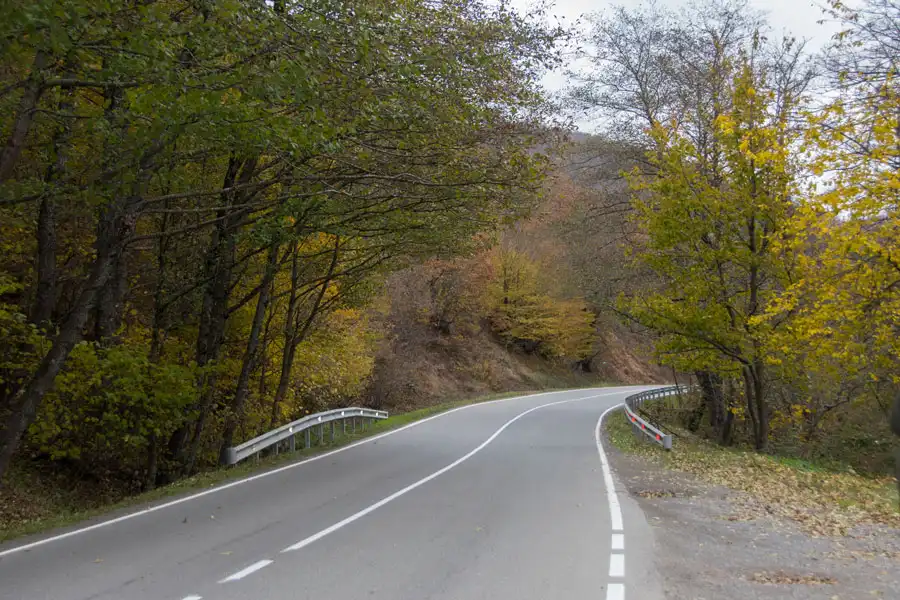
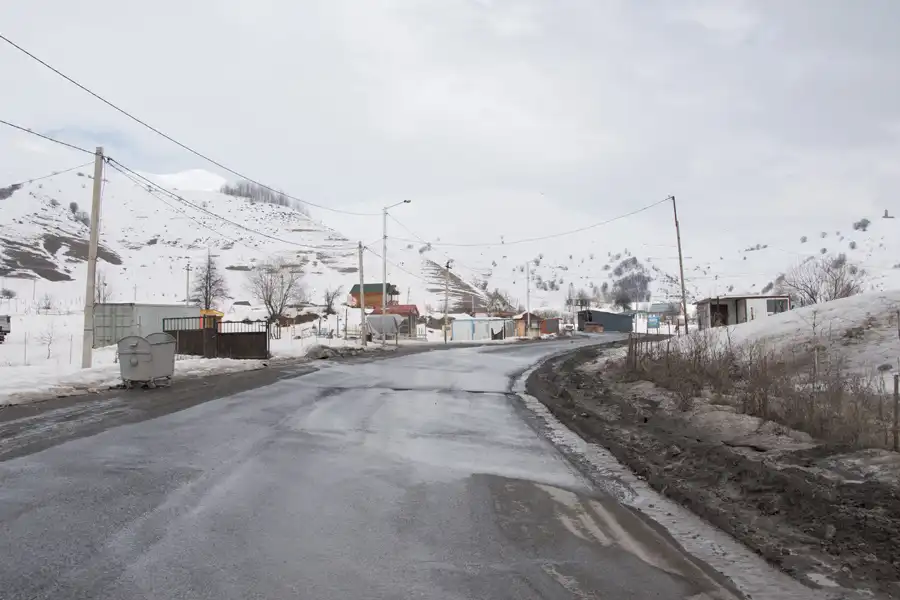
On top of that, some roads — especially in mountain areas — are in poor condition or can get tricky depending on the time of year, particularly in winter.
Traffic in cities like Tbilisi or Batumi is also worth factoring in: driving there can be a chaotic experience, and finding parking isn't always easy.
🔹 Alternatives to Renting a Car
If driving doesn't appeal to you, there are alternatives that work pretty well.
First, there are marshrutkas — shared minibuses that connect almost every corner of the country. They're cheap, though not particularly comfortable or punctual.

You can also travel by train between some major cities, or book organized tours to visit popular spots without worrying about driving.
In short, renting a car in Georgia is absolutely worth it if you're after freedom and don't mind adapting to a different driving culture. If you'd rather have comfort and zero stress, public transport or tours will likely serve you better.
⭐ Related articles: How to get around Tbilisi and Georgia, Best Day Trips from Tbilisi, Best Day Trips from Kutaisi.
How Do Georgians Drive? (What to Expect)
If you've never driven outside of Western countries, this will probably be the biggest culture shock.
Driving in Georgia is fast, aggressive, and pretty unpredictable. Overtaking on blind curves, changing lanes without signaling, and maneuvers you'd never dream of attempting — none of it is unusual here.
During the year I lived there, there were moments when I thought, "this can't actually be happening"… but it does, and fairly often.
1. Driving Style
Georgian drivers tend to be in a constant rush with very little patience. Overtaking is practically a national sport, regardless of visibility. Turn signals, for many drivers, are entirely optional.
One funny thing: despite all of this, they're not big horn-honkers, which is actually a relief. But the lack of honking doesn't mean they're driving calmly — quite the opposite. 😅
You'll also notice right-hand-drive cars on the road, since many vehicles are imported from Japan. This makes some overtaking moves even more… creative.
2. The Real Danger Level
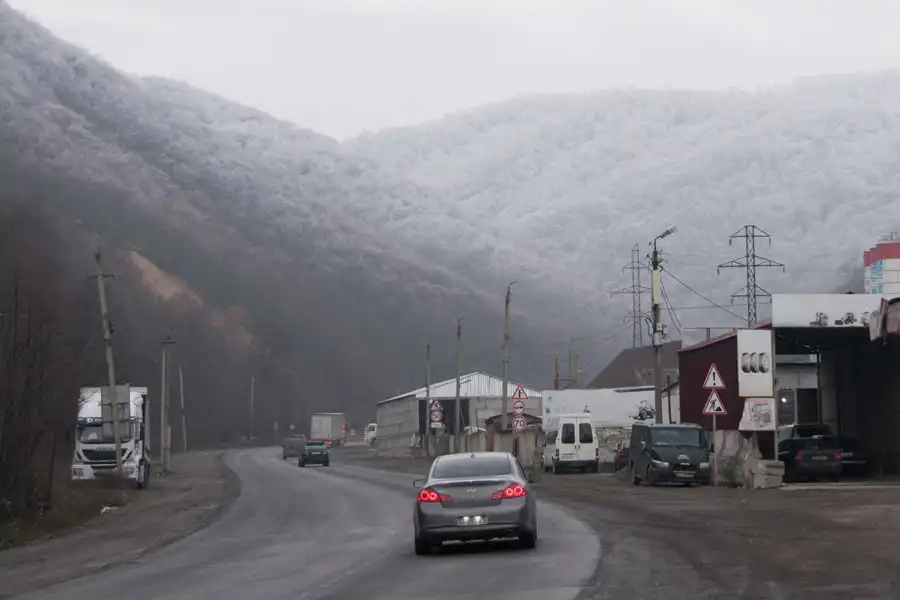
Here's the interesting part: even though the driving is chaotic, it's not as dangerous as it might seem at first.
After driving around the country quite a bit, my sense is that there's a kind of "organized chaos" going on. Everyone drives badly by our standards, but they're used to it and they react fast.
That said, it doesn't mean you can let your guard down. You need to stay alert, anticipate what others might do, and never get complacent.
If you're an experienced driver who can keep calm, it's perfectly doable. But if the situations I've described would put you on edge, it's better to skip driving in Georgia altogether.
3. Basic Tips for Driving There
What worked best for me was accepting from the start that the rules of the road aren't followed the same way as back home, and adjusting accordingly.
Always keep a good following distance — more than you normally would. You're going to need it.
If someone is riding your bumper, just let them pass. Seriously, it's not worth holding your ground.
And above all, drive predictably. Even when others are doing weird things, if your own movements are consistent and clear, you significantly reduce the risk.
Road Conditions
The state of Georgia's roads is quite a bit better than most people expect — but with some important caveats.
1. General Condition
On the country's main routes, roads are generally in good shape and steadily improving. Georgia has been investing heavily in infrastructure, and it shows — especially on key connections like the E60.
When I first arrived, some stretches were pretty rough and are now much more accessible. A clear example is the road up to Gergeti Trinity Church in Kazbegi, which used to be almost exclusively 4x4 territory and can now be driven in a regular car under normal conditions.
That said, as soon as you leave the main routes and head into rural or mountain areas, things change considerably.
2. Tricky Roads
There are some roads where extra caution is a must — or where you might want to reconsider driving at all.
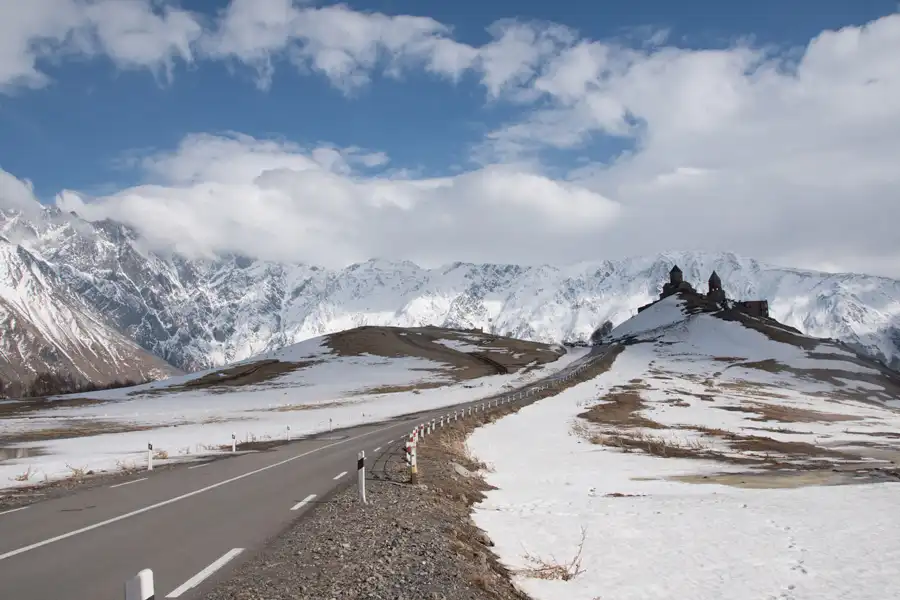
- Georgian Military Highway: connects Tbilisi to the Russian border via Kazbegi; the road itself is in good condition, but it sees heavy truck traffic. Around sunset it can get particularly rough, so avoid that time if you can.
- Zugdidi to Mestia: known as one of the trickiest. It's a mountain road with sharp curves, narrow sections, and frequent animals crossing. In winter, ice and snow can make it significantly more difficult — or even block it entirely.
- Mestia to Ushguli: a whole other level. You absolutely need a 4x4, and you'll need to drive carefully, especially on the unpaved sections. Factor in ice for roughly six months of the year.
- There are also isolated stretches of poor road — some secondary routes with serious potholes or dirt tracks. A few examples:
- Martvili to Mestia
- Tsageri to Ushguli
- Batumi to Akhaltsikhe (most of the road is fine, but there's one stretch in very bad shape)
The general rule is simple: the more remote and mountainous the destination, the worse the road.
Keep in mind that some of these roads are off-limits for rental cars, even if you're driving a 4×4. I'll go into more detail in the What Type of Car to Rent in Georgia?section below.

Risks of Driving in Georgia
Beyond driving style, there are a few factors that make driving in Georgia its own particular experience.
1. Animals on the Road
This one surprises a lot of people. Finding cows in the middle of the road is completely normal, especially in rural areas.
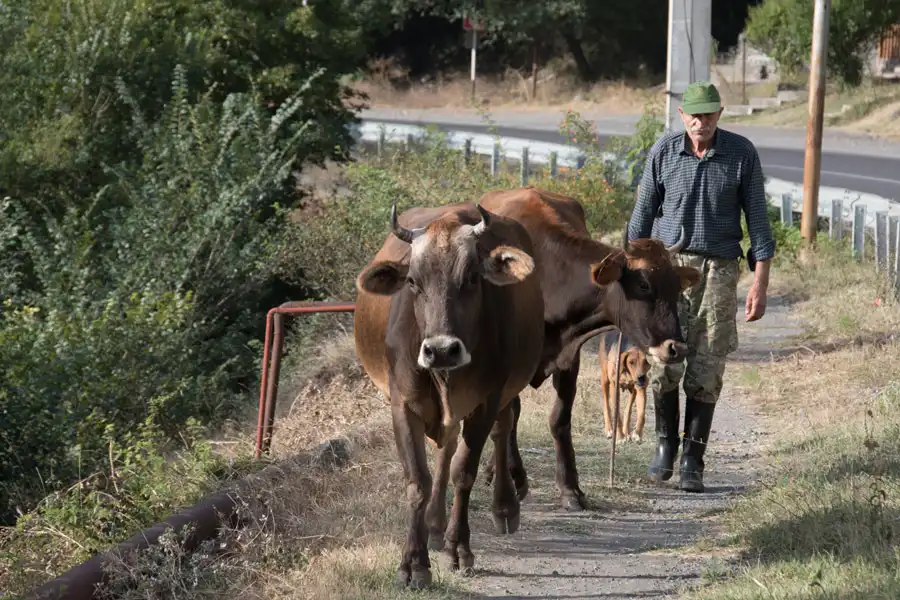
They're let out in the morning and find their own way back at dusk, so those are the times you'll encounter them most — though they can show up at any point.
You might also come across pigs, sheep, goats, or the occasional wild horse, particularly in mountain areas.
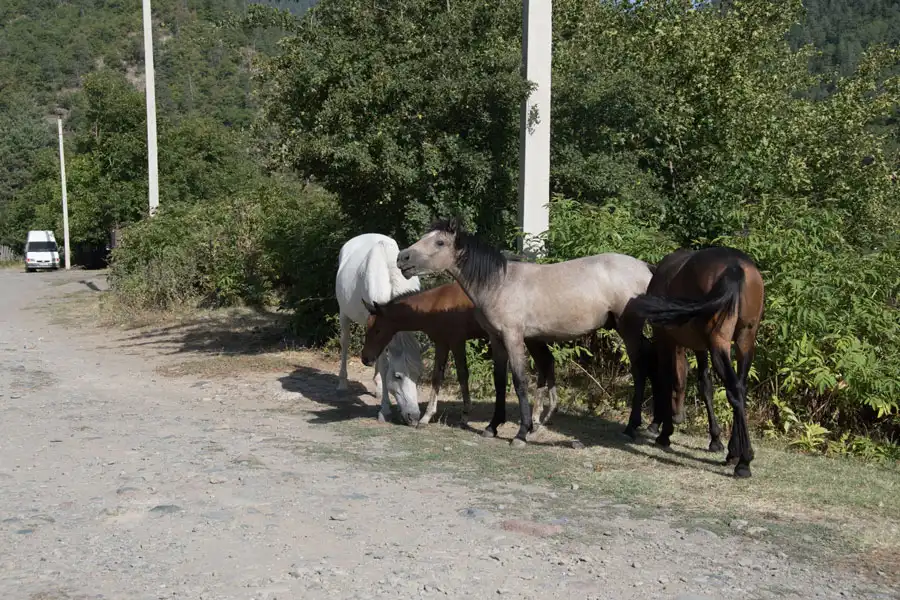
👍 My two cents: slow down, keep your distance, and be patient. The animals are in absolutely no rush. 😄
2. Poor Lighting
Many roads, especially outside of cities, have no lighting whatsoever. This makes night driving considerably more challenging than you're probably used to.
Between the darkness, potential potholes, and animals that can appear out of nowhere, the best move is to avoid driving at night whenever you can.
One example is the road between Chiatura and Zestaponi — now in good condition, but winding and almost completely unlit.
3. Weather & Road Conditions

Weather can play a significant role, especially in mountain areas.
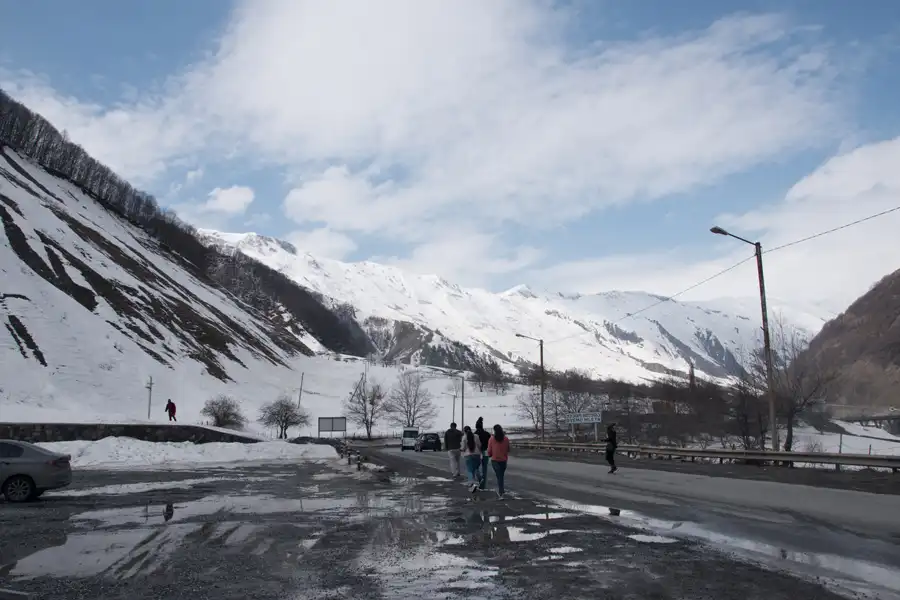
In winter, snow and ice are common, which can make some roads dangerous or completely impassable for days at a time. This happens every year, particularly on the roads leading into Svaneti during the colder months — roughly from mid-autumn to mid-spring.
Even at other times of year, heavy rain can turn dirt tracks into muddy stretches that a regular car simply can't handle.
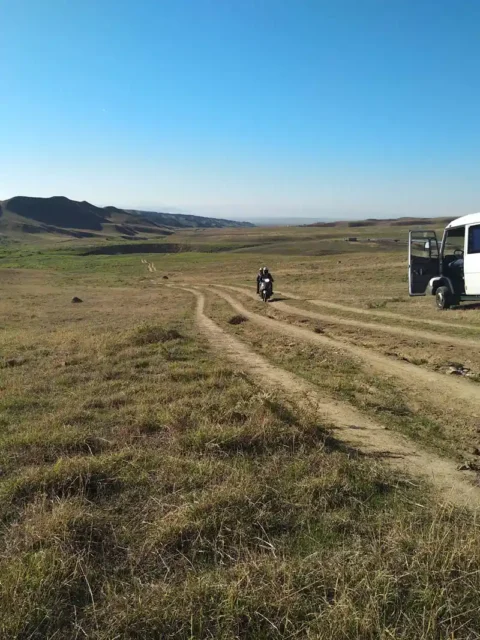
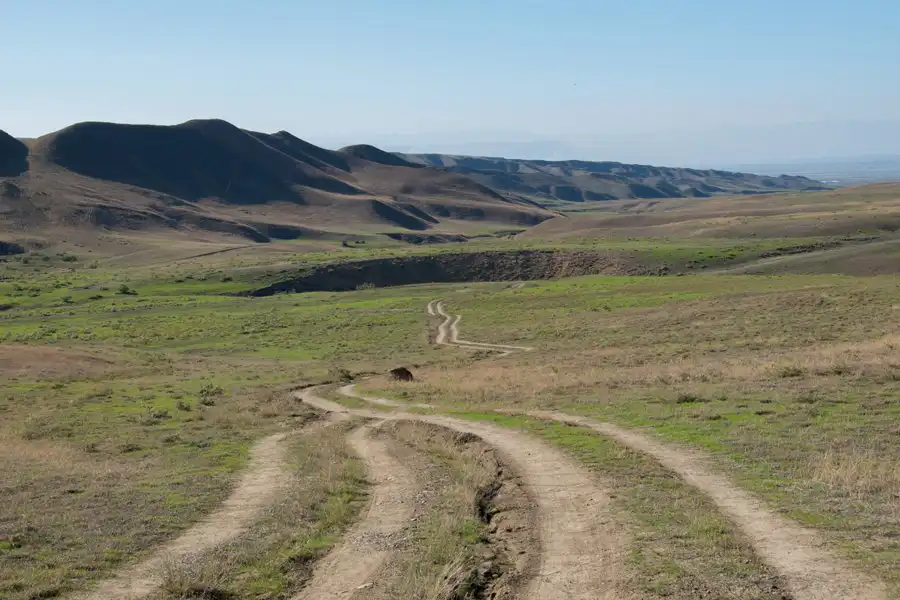
One of the best examples is the route from Rustavi to Jandari to reach David Gareja Monastery — 20 km of dirt road that becomes impossible to drive without a 4x4 after heavy rainfall. The area around the Mravaltskaro reservoir can also get pretty tricky.
Driving in Cities & Parking
If there's one place I'd tell you to think twice before driving, it's Georgian cities. Here, the car goes from being an advantage to, more often than not, a bit of a headache.
My general recommendation, after living there, is pretty clear: if you can avoid driving in cities, do it. Get around on foot or by public transport, and only pick up the car when you're heading out on the open road.
1. Tbilisi
Driving in Tbilisi is… an experience. Traffic can be pretty chaotic, and jams pop up at almost any hour of the day, especially in the center.
During my time living there, some days it took forever to cover short distances. It's not about how far you're going — it's the sheer volume of cars and the driving style.
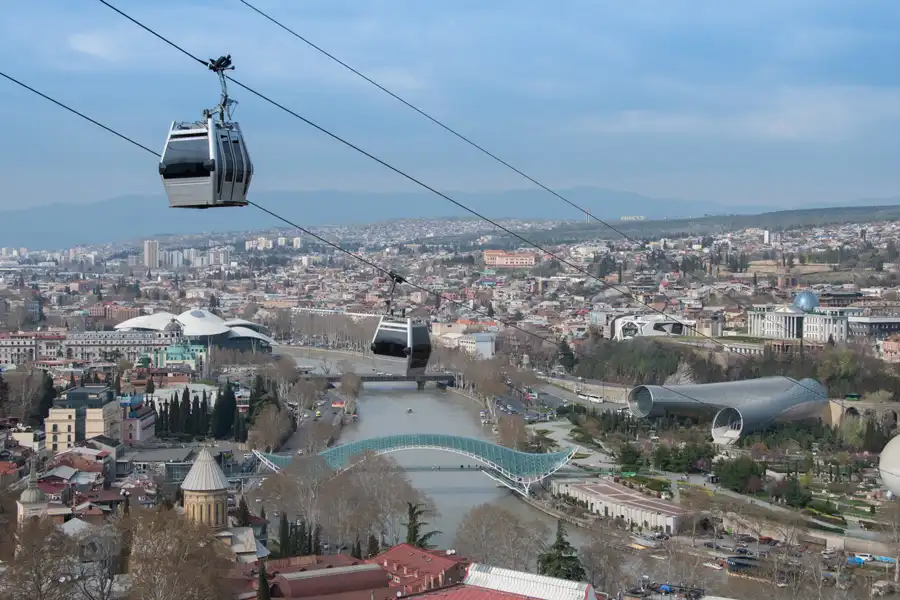
Parking isn't easy either. Free options are becoming increasingly scarce, and much of the city center is paid. Finding a spot can also take longer than you'd expect.
If you're staying in the center, the most practical thing is to leave the car behind on those days. In that case, this guide on how to get around Tbilisi will come in handy.
2. Batumi
Batumi changes dramatically depending on the time of year.
In summer, when tourists arrive, the center becomes quite a challenge to drive through. Narrow streets, lots of cars, and a general buzz of activity.

Off-season it's more manageable, but it's still not a particularly easy city to navigate by car.
Here too I'd recommend prioritizing walking or public transport, especially if you're staying in central areas. At the end of this article about Batumi, I cover how to get around the city.
3. Kutaisi
Kutaisi is the exception. It's a much calmer city where driving isn't nearly as much of an issue.

You might hit some traffic here and there, but nothing close to Tbilisi or Batumi. Parking is also generally easier to find.
If you're going to have a car in any Georgian city, this is the most driver-friendly one. Either way, this guide on how to get to Kutaisi and get around the area will come in handy.
🔸 Parking
In general, you'll find both free and paid parking options, though in larger cities paid parking is increasingly the norm.
In Tbilisi, for example, there's a zone-and-time-based parking system. It's not complicated to use, but it's worth reading up on it beforehand to avoid any fines.
👍 My two cents: if you're planning to drive in Georgia, look for accommodation with parking — especially in Tbilisi (year-round) and Batumi (during high season).
Driving Requirements in Georgia
Before getting behind the wheel, there are a few requirements you'll need to meet. Nothing complicated, but worth knowing upfront to avoid any issues.

Driver’s License
Whether you need an International Driving Permit (IDP) for Georgia depends on two things: the language your license is written in and the country that issued it.
But it's not that simple, because there's the theory — and then there's reality. 😅
👉 Theory
If your license uses Roman characters and was issued by a country that's part of the 1968 Vienna Convention, you don't need an IDP — your national license is enough.
If you don't meet either of those conditions, you'll need to get an IDP before you travel. It's a straightforward process done in your home country and is usually quick and inexpensive.
👉 Reality
Even if your license technically meets both requirements, if a police officer pulls you over and has doubts about your document or identity, you could run into trouble. The same goes for insurance claims after an accident.
That's why, for any license that isn't in English, I'd recommend getting an IDP before your trip. It's a small investment that can save you a serious headache.
Other requirements
- Minimum Age: most rental companies require you to be at least 21 or 23, depending on the company.
- License seniority: they typically ask for a minimum of 2 to 3 years of driving experience.
- Passport: you'll need to carry it with you at all times, along with your international license and the car's documentation. During my time in Georgia I came across the occasional police checkpoint, so it's best not to take any chances and keep everything on you.
Key Rules and Facts for Driving in Georgia
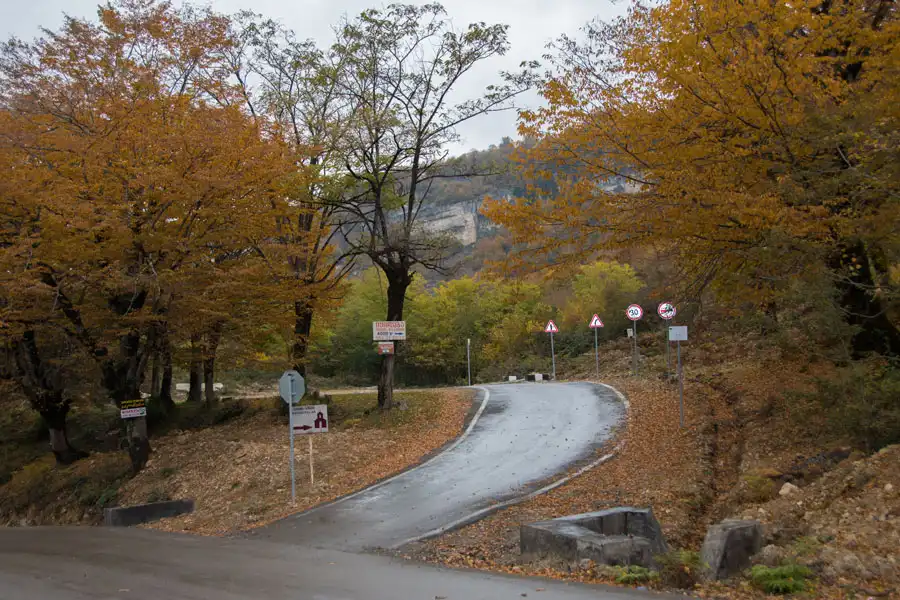
- Side of the road: Traffic flows on the right, same as in most of Europe, so no adjustment needed there.
- Speed limits: Generally 60 km/h in urban areas, 80 km/h on secondary roads, and 100–110 km/h on highways. Many drivers don't stick to them, but speed cameras exist and fines are real — so don't get too comfortable.
- Road signs: Fairly intuitive, and many include Latin characters, so you shouldn't have any trouble reading them.
- Seatbelts: Mandatory in the front seats. Not everyone wears them in the back, but you should anyway.
- Phone use: Not allowed while driving unless you're using a hands-free system.
- Hazard lights: Drivers commonly use them to warn others of road hazards — stopped traffic, animals, that kind of thing. It catches you off guard at first, but it's actually pretty useful.
- Drink driving: The legal limit is extremely low — effectively zero — so if you're driving, just don't drink at all.
- Tolls: There are no toll roads in Georgia. Good news.
- Night driving: Many roads are poorly lit and animals or potholes can appear out of nowhere, so avoid driving at night whenever possible.

What Type of Car to Rent in Georgia?
Choosing the right car in Georgia matters more than you might think. There's a big difference between sticking to main roads and venturing into mountain terrain or unpaved tracks.
During my time living there, I saw it all: people in regular cars reaching certain spots without any issue… and others completely stuck because they hadn't chosen wisely.
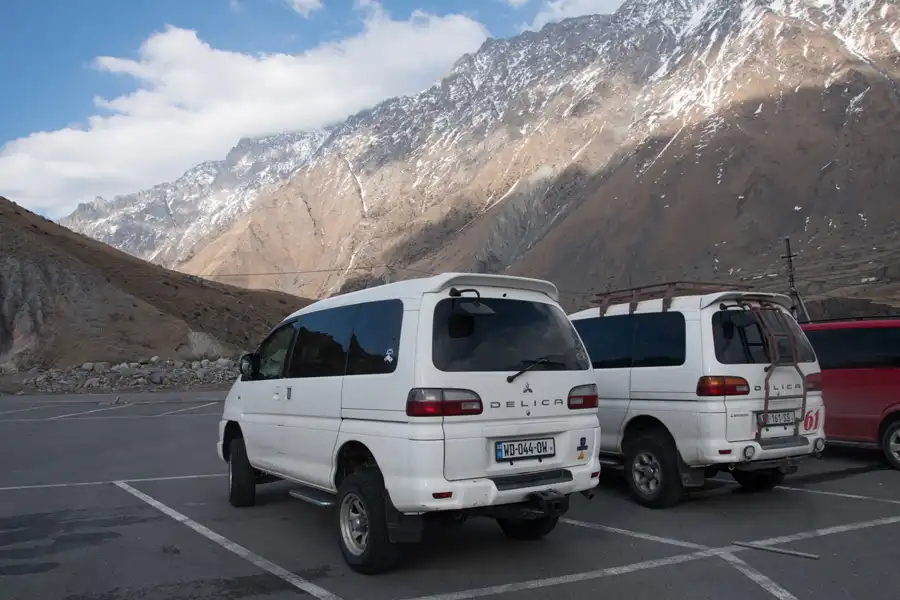
1. When You Need a 4x4
There are areas where a 4×4 isn't just recommended — it's essentially a must. Think certain mountain roads, national parks, and rural areas.
It also comes in very handy in winter, when there's snow or ice on the road, or after heavy rain that turns dirt tracks into mud.
2. When You Don't Need One
For popular routes like Tbilisi, Kazbegi (Stepantsminda), Kutaisi, or Batumi, a regular car is perfectly fine under normal conditions.
For example, the road up to Gergeti Trinity Church — once quite challenging — can now be done in a standard car if the weather cooperates.
If your trip will be fairly relaxed and mostly on main roads, there's no need to spend extra on a 4x4.
3. Roads and areas not covered by insurance
That said, if you're renting a car, read the fine print carefully.
Most rental companies prohibit driving on certain roads and in certain areas of the country because their insurance doesn't cover damage or breakdowns there. These tend to be remote locations with poor road conditions and difficult access.
Commonly restricted areas include the Mestia–Ushguli–Lentekhi route, the regions of Truso, Juta, Vashlovani, Tusheti and Omalo, Shatili, the Akhaltsikhe–Batumi road via the Goderdzi Pass, and the Sairme–Abastumani route.
Entering Abkhazia and South Ossetia is strictly prohibited.
4. My recommendation
If you're unsure, think about the route you're actually going to take — not all the places you might visit.
For a standard trip covering Tbilisi, Kazbegi, Kutaisi, or Batumi, a regular car will do the job and save you a decent amount of money.
That said, if you want to explore more remote areas, drive in winter, or tackle mountain roads, a 4×4 is absolutely worth it.
Just make sure to check the rental company's restrictions beforehand. Many of the routes where a 4×4 truly shines are precisely the ones some insurance policies don't cover.
Where to Rent a Car in Georgia?
This is where it pays to be a little careful. Renting a car in Georgia is cheap, yes — but not all options are equally reliable.
During my time there, I came across quite a few people who ran into trouble because they hadn't done their homework, so it's worth approaching this with a bit of common sense.

1. International vs. Local Companies
You have the usual international chains — higher prices, but more predictable standards.
Then there are local companies, which tend to be significantly cheaper, but where the experience can vary a lot.
That doesn't mean local companies are untrustworthy — far from it — but there's more room for unpleasant surprises.
2. Common Issues
Some of the most frequent problems I saw or heard about were:
- Unclear insurance coverage, where it wasn't entirely obvious what was and wasn't included.
- Cars missing basic equipment, like a spare tire or a jack.
- Non-transparent terms or last-minute changes.
Nothing dramatic if you know what you're getting into — but better to avoid it from the start.
3. My Recommendation
For peace of mind, I recommend using this search engine— you'll find reliable, budget-friendly local companies there. Totally trustworthy!
It also typically includes third-party insurance, and some companies don't even require a deposit.
👍 Friendly Tip: rent your car in a major city or at the airport. In small towns, availability isn't always guaranteed — and when it is, the options tend to be pretty limited.
Car Rental Prices in Georgia
One of the great things about Georgia is that renting a car is pretty affordable — especially compared to other destinations.
That said, it's worth having a realistic idea of the total cost so there are no surprises.
1. Rental Rates
Prices vary depending on the season, but as a general guide:
- Basic car: roughly €15–19 per day with local companies, or €35–40 with international ones.
- 4×4: starting from around €20–28 per day, depending on the time of year.
In high season — especially summer — prices can go up, so if you're traveling then, it's worth booking ahead.

2. Insurance
This is where you need to pay close attention.
The listed price often includes basic third-party insurance, but with an excess. Meaning if something happens, part of the cost comes out of your pocket.
You can add more comprehensive coverage to reduce or eliminate that excess — which is highly recommended given the way people drive here.
On this website I mentioned earlier, I'd suggest adding the "full coverage plus" option — the most complete one and ideal for avoiding nasty surprises — or at the very least "full coverage."
3. Fuel
Fuel in Georgia is generally cheaper than in most of Europe, though prices do fluctuate.
As a rough benchmark, it tends to be around 20–30% cheaper, but this changes over time so it's worth checking before your trip. You can see the current price on this website .
🔹 Estimated Total Cost
When you do the math, a road trip in Georgia can be genuinely good value.
For example, for a one-week trip in a basic car, you might be looking at roughly:
- Rental: around €105–135
- Fuel: around €50–80, depending on your route
- Extra insurance (optional): variable, but recommended
All in, this isn't a destination where having a car blows your budget — and in return, you get a lot of freedom to explore the country at your own pace.
After my time there, it's one of the few places where I genuinely feel that renting a car is worth every cent.
If you're traveling between mid-autumn and mid-spring and plan to visit the mountains, you'll need snow chains. They cost around €20 for basic cars and are usually free with 4x4s — at least on the platform I recommended.
Crossing into Neighboring Countries
You can leave Georgia by car, but it depends a lot on which country you're heading to and whether the car is yours or a rental.
During my time living there, this was a topic that caused a fair amount of confusion — and understandably so, because every border works differently.
The short answer is: yes, but not always and not in every case. In other words, it's a bit of a maze! 😅
▶ Quick Summary
- Armenia: yes — the easiest and most common option.
- Türkiye (Turkey): yes with your own car, but generally not with a rental.
- Russia: possible, but more complex and subject to change.
- Azerbaijan: no — land borders remain closed.
I go into more detail on each of these in the FAQ section below.
FAQs
1. Can you drive from Georgia to Armenia?
Yes — it's the simplest and most popular option. If you have the time, I'd genuinely recommend it.
There are several border crossings between the two countries and the process is usually pretty straightforward.
Most rental companies allow you to drive into Armenia. In fact, on this platform I recommended earlier, you can even rent in one country and return the car in the other at a pretty reasonable rate.
You will need to take out additional insurance at the border, but there are several insurance providers right there and it's a quick, easy process.

2. Can you drive to Turkey?
It depends.
If you're traveling in your own car, crossing the border is no problem.
If you're renting a car in Georgia, you won't be allow to enter Turkey driving it— unless you hold Georgian nationality.
This comes down to legal restrictions on Turkey's side, not the rental companies themselves.
3. Can you drive to Russia?
It's possible to cross by road through the Kazbegi pass, but it's not something most travelers would find straightforward.
The situation can shift depending on the political climate and border conditions, so if you're considering it, make sure to check the latest information right before your trip. Wait times at the border can also be long.
If you do want to continue into Russia, the easiest option is to go by bus.
As for other territories:
– Abkhazia: a republic recognized only by Russia and three other countries. Entry is on foot only — no vehicles allowed.
– South Ossetia: an occupied territory. You cannot enter from Georgia under any circumstances. The only way to visit is from Russia.

4. Can you drive to Azerbaijan?
No.
Azerbaijan's land borders are closed at least until July 1, 2026. This is something the Azerbaijani government has been extending every three months since 2020, and there's no sign that's going to change anytime soon.
For now, the only way to visit Azerbaijan from Georgia is by flying — there are direct flights from Tbilisi to Baku.
5. Do you need special insurance to drive?
In practice, some form of insurance is always included in the rental — usually third-party coverage.
The important thing is to understand exactly what that insurance covers and whether it comes with an excess. In many cases, it's worth upgrading to more comprehensive coverage to avoid headaches down the line.
6. Is driving in Georgia safe?
It's safer than it looks, but it's not relaxed.
The driving is chaotic and demands constant attention — but if you're an experienced driver and you keep your wits about you, it's perfectly manageable.
After spending quite a bit of time driving there, my honest take is that it's not dangerous as such — just intense.
7. Is it a good idea to ride a motorbike in Georgia?
I wouldn't recommend it.
Even locals see it as risky. Combine the driving culture with the state of some roads, and it's not a great mix.
8. Where can you fill up on fuel?
You won't have any trouble finding gas stations on most major routes.
The most widespread chains across the country are Wissol, Gulf, and Socar — you'll spot them everywhere.
That said, if you're heading into remote or mountain areas, it's worth checking Google Maps for station locations beforehand, as there can be long stretches with nothing in sight.
Final Thoughts
After everything I've shared, the decision to rent a car in Georgia really comes down to how you like to travel.
If you want freedom, enjoy exploring less touristy areas, and don't mind adapting to a different driving culture — renting a car is absolutely worth it. It's, in fact, one of the best ways to discover the country.
If, on the other hand, you prefer comfort, want to avoid driving stress, or simply don't feel like dealing with chaotic traffic and uneven roads — there are solid alternatives that can make your trip a lot more enjoyable.
After living there and covering a good chunk of the country by car, my conclusion is clear: driving in Georgia isn't for everyone, but if it suits you, it opens the door to places that would otherwise be much harder to reach.
And in a destination like Georgia, that makes a real difference.
I’ll leave you with this quote:
"If you don't climb the mountain, you can't see the view"
If you have any questions, leave me a comment below and I'll help you as much as I can. If you found the article useful, share it with other travelers. Have a good trip! 😘
More about Georgia





Hi, I’m Andrea, creator and author of Viajeros Activos (Active Travelers). I write about Southeast Asia, the Caucasus, and Europe. I’m a full-time traveler, passionate about good food, and always looking for new adventures.
Hello Andrea!
Your article is very interesting! We're currently in Georgia and next week we want to rent a car for three days to go to the Kazbegi area. From Spain, I already looked into "LocalRent," but I contacted them and couldn't get them to send me the coverage, which made me skeptical because I have no idea what the insurance covers, and besides, according to the website, they include it for free.
Could you tell me what included you or if this is true and I should just trust it?
Thank you very much!! 🙂
Hello Aina,
Localrent is a reliable company; I've rented from them without any problems. The insurance coverage varies depending on the car, and it's usually listed on the vehicle's information sheet on the website. However, if you want the exact details of what each insurance covers, only they can confirm.
In Georgia, it's best to rent with comprehensive insurance, or at least with the option to extend it. This way, you'll travel much more peacefully, especially on the roads toward Kazbegi.
Have a good trip, you're going to enjoy that area a lot!