This article may contain affiliate links.
Updated: July 3, 2026
If you're planning your trip and aren't sure what to pack for Georgia, this guide covers everything you need so you don't leave anything important behind.
Everything here comes from my own experience living in the country for a year — so this isn't theory. It's what actually works there.
The goal is to help you pack smart: no unnecessary bulk, and no arriving to find you forgot exactly what you needed.
📶 eSIM to stay connected from the moment you land — 5% off
🏨 Accommodation with great deals
🛡️ Travel insurance with up to 15% off
🚗 Car rental at unbeatable prices
Quick List: What to Pack for Georgia
If you want a quick overview before diving into the details, here's the essentials to get your bag ready without overcomplicating things:
1. Documents
- Valid passport
- Travel insurance
- Proof of onward travel
- Accommodation bookings and travel itinerary
2. Money
- Cards (bring at least two)
- Some cash (euros or dollars work well for exchange)
3. Basic clothing
- Comfortable shoes
- Dress in layers, especially if you're traveling outside of summer.
- Clothing for visiting churches and monasteries: shoulders and knees covered; if you're a woman, a headscarf — required at many Orthodox churches
4. Technology
- Mobile
- Chargers
- Portable power bank
- Camera, because you'll use it way more than you think
5. Toiletries + Health
- Sunscreen (it tends to be significantly more expensive in Georgia)
- Personal medication
- Basic first-aid kit
6. Useful extras
- Reusable water bottle — tap water is safe to drink throughout the country
- Small backpack for everyday use

Entry Requirements & Documents
Entry requirements for Georgia depend on your nationality and can change, so it's always a good idea to check the official website of Georgian visas before your trip.
That said, in practice, you may be asked for:
- Valid passport
- Electronic visa, if your country requires one
- Travel insurance
- Proof of accommodation
- A document stating the purpose of your visit — your itinerary is usually enough
- Proof of sufficient funds
- Proof of onward travel, which can be to a neighboring country
In reality, they won't ask for all of this at once. If you're traveling on a European, or other strong passport, border control is usually quick and straightforward — they'll typically just glance at your passport and wave you through. No drama.
That said, don't get too relaxed about it. It can depend entirely on which immigration officer you happen to get that day. If they ask for a document you don't have, things can get complicated — so it's worth having everything ready even if nobody ever looks at it.
For other passports, or if you need a visa, there's a higher chance they'll ask for more of the documentation listed above.

🔸 Travel insurance
Travel insurance is listed as a mandatory entry requirement on Georgia's official visa website. In practice, not everyone gets asked for it — it's up to the immigration officer. But if they do ask and you don't have it, you're not getting in. Simple as that.
So beyond being an official requirement, it just makes sense to have it. A medical emergency abroad can get expensive fast, and Georgia is no exception. Don't risk it.
I recommend this travel insurance— it's the one I always use. On that page you can check the coverage details, get a quote, and there's already a 5% discount included.
⭐ Related article: Tips for Traveling to Georgia — with details on entering the country and the "interesting" questions they ask at immigration.
Money in Georgia: Cards & Cash
The good news is that Georgia is a pretty easy country when it comes to payments. In the main cities like Tbilisi or Batumi, you'll find ATMs everywhere, and you can use your international card without any issues — both to withdraw cash and to pay directly at many shops, restaurants, and even on public transport.
The not-so-great news is that the moment you step away from the cities and head into smaller towns or rural areas, cash is still king.
The most practical approach is to bring euros or US dollars, as these are the currencies accepted by most exchange offices in the country. Once you're in Georgia, you exchange them for Georgian lari — the local currency — and you're good to go.
▶ A few practical tips:
- Bring at least two cards in case one gets blocked or stops working
- Withdraw cash from local ATMs (there are plenty in the cities)
- Check your bank's fees and exchange rates. If you can, having a card with no foreign transaction fees makes a noticeable difference on trips lasting several days or weeks. A great example is Wise, which is what I use myself.

Medication & Health
This is one of the most overlooked areas when preparing for a trip to Georgia — and one of the things most likely to cause headaches if you don't pay attention to it.
My recommendation, after living there, is straightforward: bring everything you know you'll need, especially if you have a chronic health condition or take regular medication. That said, there's one important caveat.
🔸 Entry Restrictions on Medication
Georgia has a list of controlled medications and compounds that you cannot bring into the country without the proper documentation.
If you need any of them, you'll have to carry an official medical prescription and be able to justify the exact quantity you'll need for your stay. You can check that list on the Georgian authorities' website before traveling.

🔹 What You Can (and Can't) Buy There
For the most basic medications, Georgian pharmacies are well-stocked and you won't have any trouble. Paracetamol, motion sickness pills, antiseptics like Betadine… all easy to find.
👉 But there are a few exceptions, based on my experience:
- Anti-inflammatories: They're expensive — at least much more so than in most of Europe. If you know you'll need them, pack a few in your bag. Ibuprofen, for example, is only sold up to 400 mg.
- Antibiotics: A prescription is usually required, so you'd need to see a doctor first.
- Specific medication: If you have diabetes or other conditions, keep in mind that not all brands or formulations are available in Georgia. Some insulin pens, for instance, simply can't be found there. Check with your doctor before you go and make sure you bring everything you need.

Electricity & Plugs in Georgia
Georgia uses the standard European two-round-pin plugs, types C and F, and the voltage is also the same — 220 volts.
So if you're traveling from a European country, in most of the cases, you can plug in your devices without any issues.
If you're coming from a country with a different plug type, you will need an adapter, and depending on your devices, possibly a voltage converter as well.
Check your device specs before you travel — many modern phone and laptop chargers are already dual-voltage compatible; it's usually printed right on the charger itself.
I'll leave a photo below so you know exactly what type of plugs we're talking about. 😉

What to Pack Based on the Time of Year
Georgia has a very diverse climate depending on the region and the season, so what you throw in your bag can vary quite a bit depending on when you travel.
That said, when it comes to clothing, I always recommend packing enough for five days and doing laundry along the way. It keeps your bag light — though that one's a personal call.
Here's a quick breakdown by season.

Summer
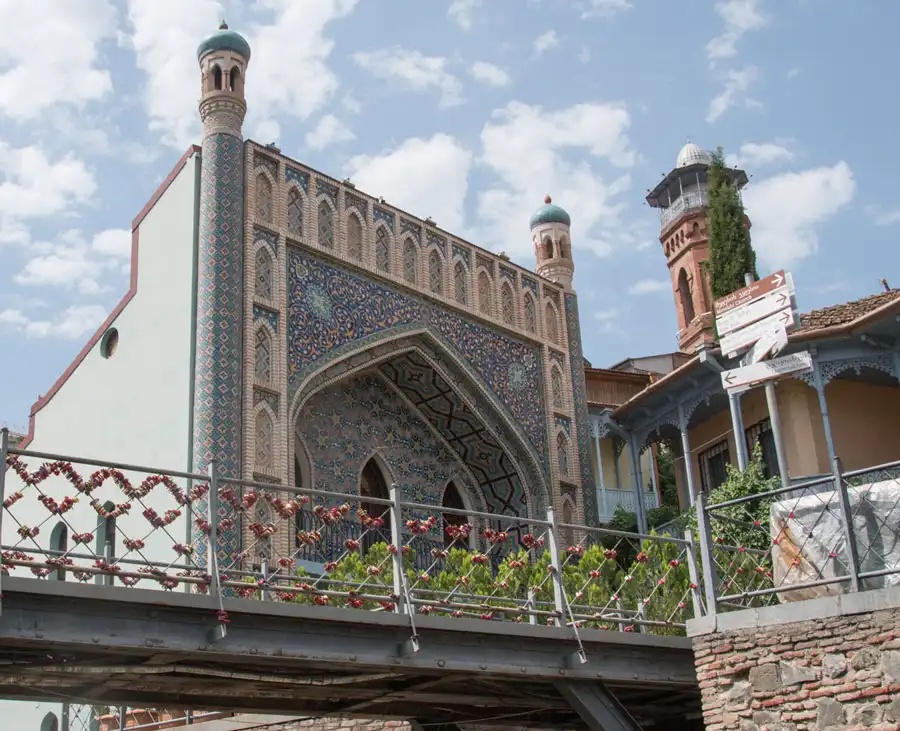
Summer in Georgia, especially in Tbilisi, can be pretty intense. Temperatures regularly hit 35°C (95°F) and the sun is no joke, so sunscreen is absolutely non-negotiable.
I mentioned it earlier, but I'll say it again because it matters: sunscreen in Georgia is expensive compared to most other countries, so bring whatever you'll need from home.
For summer, don't forget:
- Light, breathable clothing — natural fabrics like cotton or linen are your best friend
- Sunscreen
- Sunglasses and a cap or hat
- A swimsuit — both if you're planning to visit the Black Sea coast, and also for the thermal baths you'll find all over the country, which are worth a visit any time of year
Winter
Tbilisi winters aren't the harshest out there — temperatures in the city rarely drop below freezing — but the cold wind that sweeps down from the nearby snow-capped mountains can make it feel a lot worse than it sounds. And if you're planning to visit mountain areas in winter, it's a whole different story.
For winter, beyond the usual warm layers, keep in mind:
- Thermal base layers — think long-sleeve undershirts and leggings to wear underneath everything else. This is one area where you can save a lot of money by buying before you go: in Georgia, you'll only find technical clothing from international brands, and prices are five to seven times higher than in most of Europe. There are no budget sports or outdoor brands like Decathlon, so don't count on picking anything up there.
- Earmuffs or a hat that covers your ears properly. I know that sounds like an overreaction — until you've spent ten minutes walking into a cold wind in Tbilisi in January. It can genuinely make your ears ache. You've been warned.
- Technical gear in general: any outdoor or performance clothing you think you might need, bring it from home. Same goes for footwear.
👍 One thing worth knowing: Georgia is a great place to find 100% wool handmade items, like socks and the traditional Georgian house slippers. They're warm, beautiful, and make a perfect artisan gift. 😍
Spring & Autumn
Spring and autumn are fantastic times to visit Georgia, with pleasant temperatures and spectacular scenery. But they're also unpredictable seasons — especially in mountain areas, where the weather can turn quickly.
For these seasons, layers are your best strategy: a light base, a mid-layer you can stuff into your bag when you don't need it.
That combination will cover pretty much any weather scenario you're likely to run into.
One piece I'm particularly fond of for this kind of trip is a lightweight packable puffer jacket — it takes up almost no space in your bag but can be a lifesaver, especially early in the morning or once the sun goes down.
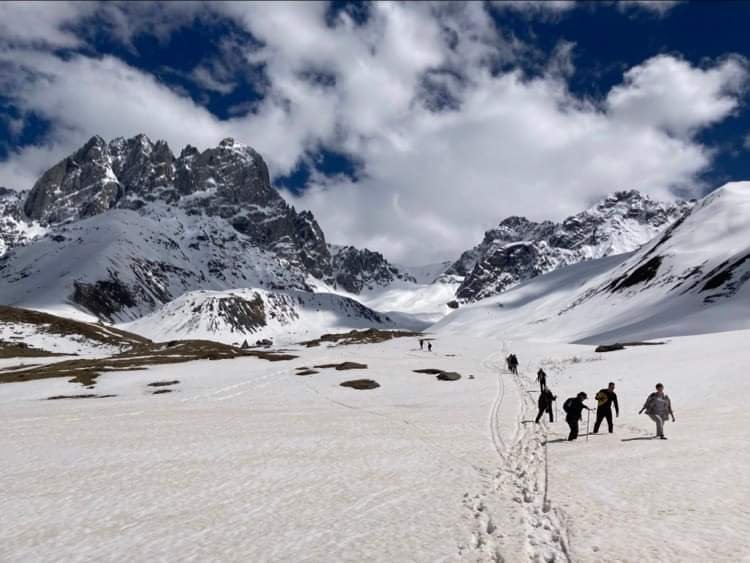
Keep in mind that snow is possible during parts of both spring and autumn. By mid-October, higher elevations can already see snowfall, and snow in the mountains near Tbilisi can stick around until late April — and on the highest peaks, sometimes even into late May, as you can see in the photo above.
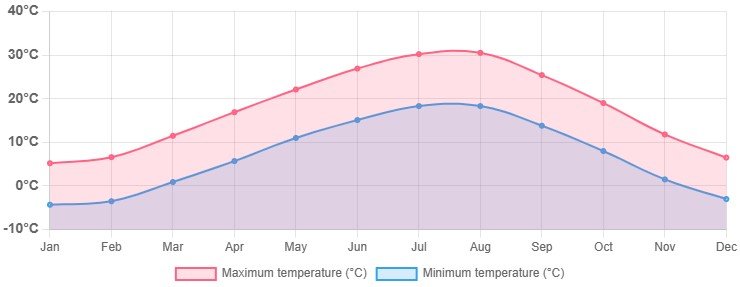
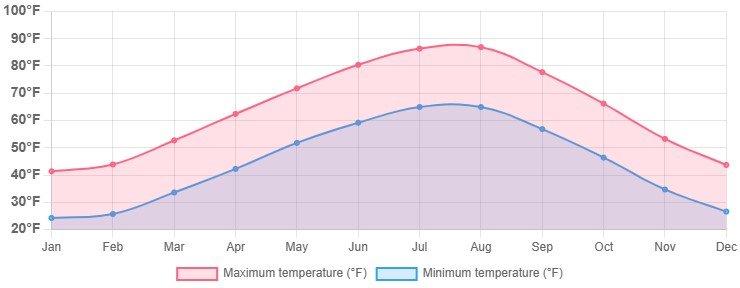
In the image below, you'll find Tbilisi's average annual temperatures for reference.
What to Pack for Hiking and Trekking
The Georgian mountains are among the most impressive in the Caucasus and one of the country's biggest draws.
But high-mountain terrain requires preparation, even if you're only doing a short trail. Here's how I'd break it down depending on what kind of outing you have planned.
For Short Hikes and Mountain Walks
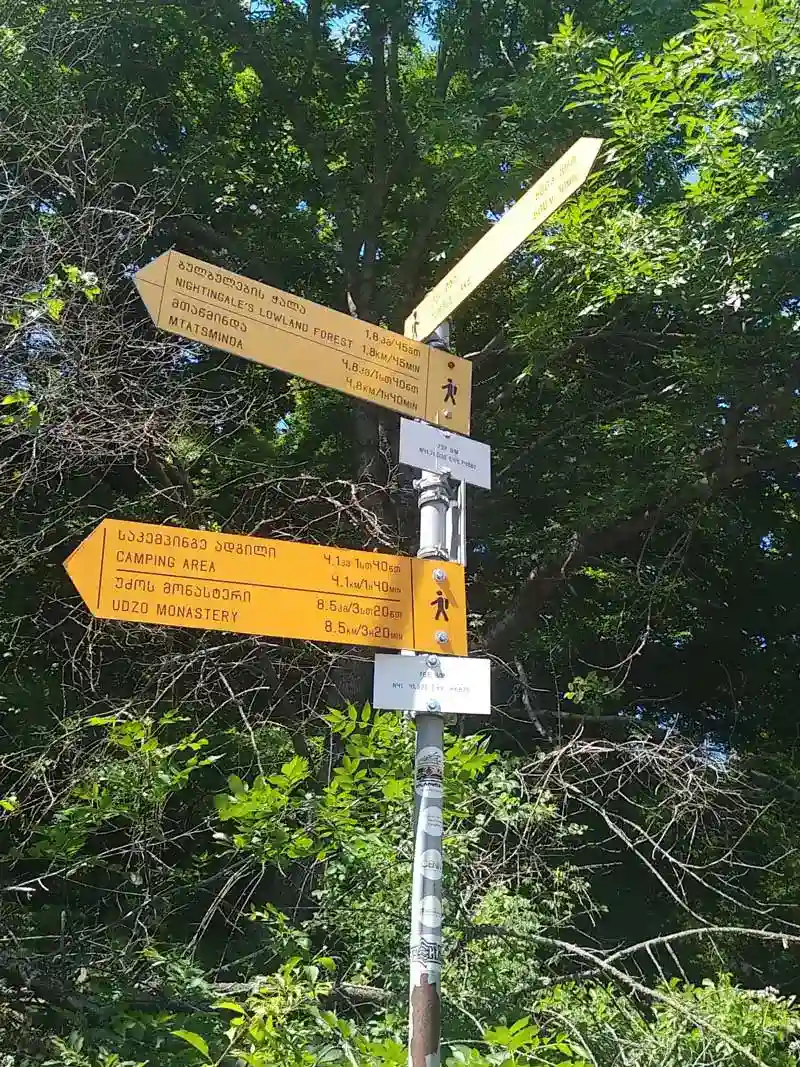
Even if you're just heading up Mtatsminda — the mountain that sits practically on top of Tbilisi — there are a few basics worth bringing:
- Proper footwear for the terrain: you don't need full mountaineering boots for an easy trail, but a pair of trail runners or light hiking shoes will make a real difference compared to regular sneakers.
- Trekking poles: a big help on steep sections, and pretty much essential in high-mountain areas.
- Headlamp: even if you set off in daylight with plenty of time to spare. If you linger watching the sunset from Mtatsminda and head back after dark, there are stretches with no lighting where a headlamp will save you — without draining your phone battery.
- Whistle: a basic safety item for any hiker. And I say this especially if you're a woman hiking alone, even on short, well-traveled trails — Georgia is not a country where you can completely let your guard down when you're out in the mountains by yourself.
For Long Hikes, High-Altitude Routes, or Multi-Day Trekking
If your plans go beyond a casual walk — technical trails, high-altitude areas, or nights spent in the wild — add the following to everything above:
- Solar power bank: one of the most practical things you can bring into the mountains. On multi-day routes without access to electricity, being able to charge your phone using sunlight can get you out of a serious bind.
- Water purifier: while water quality in Georgia is generally very good, if you're spending nights in the mountains and drinking from springs or streams, a purifier gives you peace of mind. It's light, it's small, and it's worth it.
- Emergency blanket: a staple in any hiker's safety kit, and particularly important in the Georgian mountains given how quickly the weather can turn.
- Coat and raincoat: even in the middle of summer with a perfect forecast. At high altitude, conditions change fast and a storm can drop the temperature by up to 20 degrees in no time. That's not an exaggeration — it happens fairly regularly in the Caucasus.
- Drone: the Georgian mountains are made for it. The landscapes are spectacular, and the aerial views even more so. You can fly without registering it if it weighs under 250 grams, especially in nature areas — but always avoid airports, military zones, and areas near borders. Rules can change, so it's worth checking the Georgian Civil Aviation Authority's official website before you travel. If you're looking to get one, I'd recommend this DJI Mini— it's compact and the image quality is excellent.

👍 My two cents: if you don't have experience in high-altitude hiking or solo trekking, Georgia is not the best place to wing it. In that case, go with a guide or with a group.
Driving in Georgia: Your License
If you're planning to get around Georgia, driving is the way to go — especially if you want to reach mountain areas or villages with limited public transport. A few things to know about driving in Georgia:
Driver’s License
Whether you need an International Driving Permit (IDP) for Georgia depends on two things: the language your license is written in and the country that issued it.
But it's not that simple, because there's the theory — and then there's reality. 😅
👉 Theory
If your license uses Roman characters and was issued by a country that's part of the 1968 Vienna Convention, you don't need an IDP — your national license is enough.
If you don't meet either of those conditions, you'll need to get an IDP before you travel. It's a straightforward process done in your home country and is usually quick and inexpensive.
👉 Reality
Even if your license technically meets both requirements, if a police officer pulls you over and has doubts about your document or identity, you could run into trouble. The same goes for insurance claims after an accident.
That's why, for any license that isn't in English, I'd recommend getting an IDP before your trip. It's a small investment that can save you a serious headache.
You must carry your physical passport with you at all times when driving. Your national ID card won't do, and neither will a photo of your passport.
⭐ Related article: How to Rent a Car and Drive in Georgia
Final Thoughts
Figuring out what to pack for Georgia isn't complicated if you're clear on two things: the type of trip you're taking and the time of year.
A city trip is very different from a mountain adventure, and summer packing looks nothing like winter packing. But with a solid base and a few adjustments, you can cover pretty much any situation.
If I had to sum it up in one idea: pack the essentials, add layers, and don't overthink it. That's genuinely all you need to enjoy the trip without your bag taking up any more headspace than it should.
I’ll leave you with a quote:
"He who wants to travel happily, must travel light."
Antoine de Saint-Exupéry
If you have any questions, leave me a comment below and I'll help you as much as I can. If you found the article useful, share it with other travelers. Have a good trip! 😘
More about Georgia






Hi, I’m Andrea, creator and author of Viajeros Activos (Active Travelers). I write about Southeast Asia, the Caucasus, and Europe. I’m a full-time traveler, passionate about good food, and always looking for new adventures.
Hello Andrea, we are going on a trip with 4 friends now in May to Georgia and Armenia. Apart from the Lonely Planet guide, do you recommend any other books to read about the country? Although it is not a guide to use like Lonely. All the best!
Hello Xabi
In Spanish, apart from Lonely Planet that I know of, there are no other guides to Georgia and Armenia that are good.
Even in English, there is a fairly complete guide but much of the information it contains is already outdated.
I leave you a link to the guide on Amazon in case you want to take a look: https://amzn.to/3IOSmWe
The issue is that these countries do not receive enough tourism for any writer to publish a travel guide, the only ones who can afford it are those from Lonely.
If you or your friends speak Russian, maybe you can find a guide in that language, because Russians are the main tourists.
What I would recommend is to look at a travel blog, it is where you can find more information.
hello! Do you know where I can find the requirements to fly the drone in Georgia?
Greetings.
Hello Raul
In Georgia you can fly a drone, it is legal.
Some of the things you have to keep in mind are:
– a child cannot control it, it has to be someone over 14 years old;
– the maximum height is 120 m, whether on land or water;
– you cannot fly over buildings, areas with traffic or many people, or where there are high voltage cables;
– it is not allowed to fly over airports (minimum distance 6 km) or near airplanes;
– invasion of privacy, that is, taking photos or filming private properties, is prohibited;
– it is illegal to use it to commit a crime;
– You must always have a view of the drone when operating it.
The one who regulates this is the Georgia Civil Aviation Authority, I had a link that posted these rules but it is broken.
If you have any questions you can contact them directly, here is a link to their website: https://gcaa.ge/
Hi there!
In August, 5 friends are going to Armenia and Georgia. Our intention is to rent a car in Armenia and deliver in Georgia. What we are not clear about is whether we need an international driving license for both countries or not.
Thanks 🙂
Regards, Ainara
Hello Ainara
You can rent in both countries with a Spanish driving license.
But in Georgia, if the police stop you, they can ask you for an international permit.
It is best that you process it in advance, it costs about 10 euros and is done in the DGT electronic headquarters (I leave you the link).
Here are a couple of articles that may interest you, in case you haven't read them yet, they have tips for both countries, including driving:
Tips for traveling to Armenia and Tips for Traveling to Georgia