This article may contain affiliate links.
Updated: May 11, 2026
If you want to experience the real essence of Tbilisi beyond the monuments, you have to check out its markets. They’re chaotic, authentic, and a bit unpredictable—but that’s exactly where their charm lies. Between fruit stalls, Soviet antiques, and the occasional vendor with a big personality, you’ll find a very real side of the city.
In this guide, I’ll show you the best markets in Tbilisi, what to expect from each one, and which to visit depending on what you’re looking for. It’s not the same to rush through as it is to wander around with no plan—and here I’ll help you choose wisely.
Everything is based on my experience living in Georgia for a year, so along with the usual spots, you’ll also find more local, less touristy markets that are 100% worth it.
📶 eSIM to stay connected from the moment you land — 5% off
🏨 Accommodation with great deals
🛡️ Travel insurance with up to 15% off
🚗 Car rental at unbeatable prices
Quick Summary
If you don’t have time to read the whole guide, here’s a quick summary based on what you’re looking for:
- Best overall marketDezerter Bazaar
- Best antiques marketDry Bridge
- Best gourmet market: Bazari Orbeliani
- Most authentic and local: Isani
- Best for souvenirsMeidan Bazaar
- Short on timeDry Bridge + Meidan Bazaar

Map
Best Markets in Tbilisi
If you only have time to visit a few markets in Tbilisi, these are the ones that won’t let you down. Each one has its own charm—from the most local to the most unusual.
1. Dezerter Bazaar
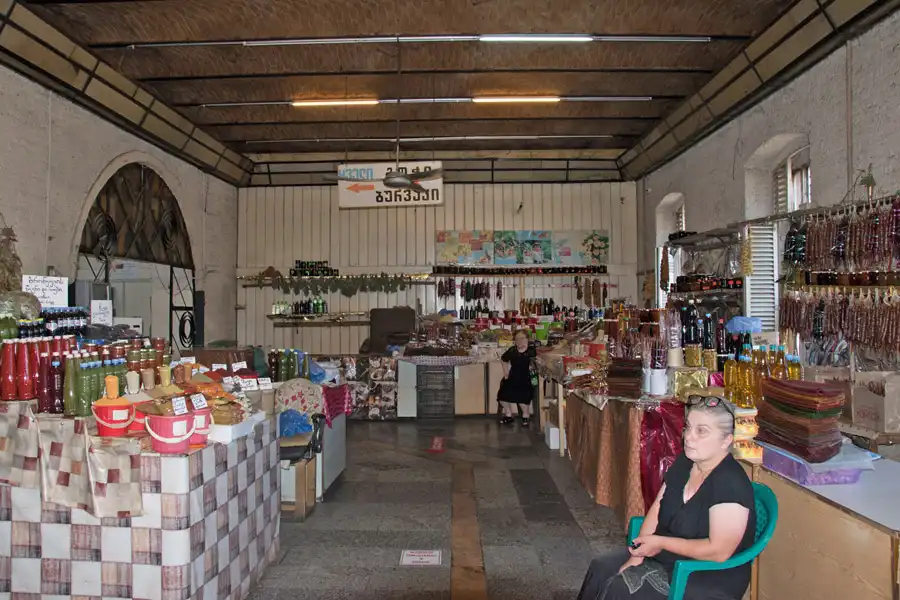
It’s the biggest and most important market in Tbilisi—and one of the most authentic. This is where locals actually shop.
There’s no posing or Instagram-perfect decor here; it’s a real market, with all its chaos, smells, and its own rhythm. If you want to dive straight into everyday Georgian life, this is the place.
🔸 What to buy
- Seasonal fruits and vegetables
- Spices and dried peppers
- Georgian cheeses
- Churchkhelas
- Meat, fish, and pickles
- Local wine
- Clothes, shoes, and accessories
- Electronics
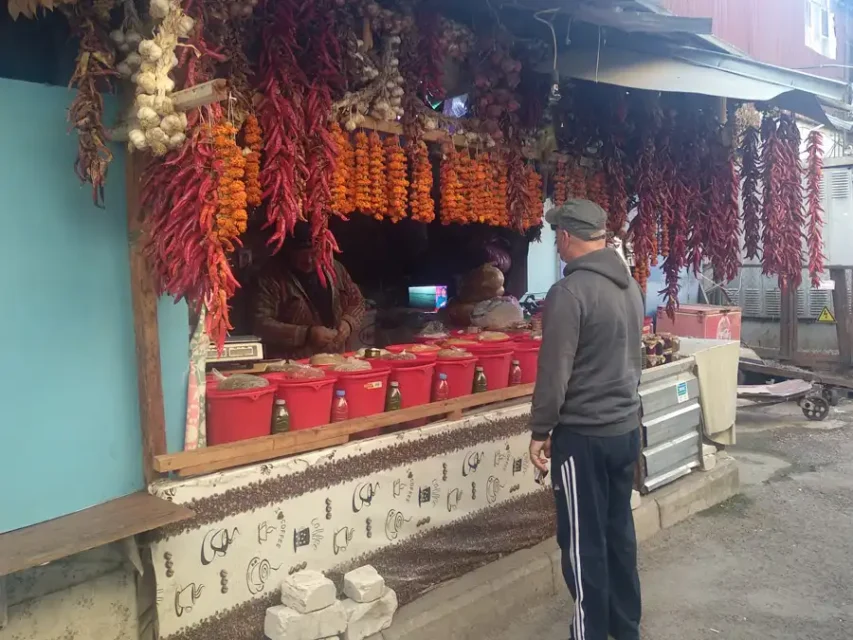
🔹 Pros / cons
- Pros: very authentic, cheap prices, huge variety of food
- Cons: chaotic, not very touristy, hardly anyone speaks English, not the “prettiest” place
✔️ Practical info
- Opening Hours: every day from 7 am to 6 pm
- Metro stop: Station Square
2. Dry Bridge Market
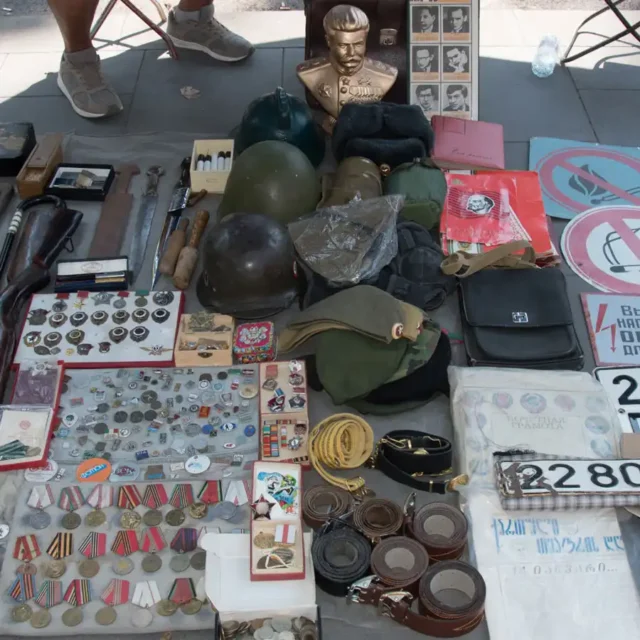
This is the most curious market in the city—and for many, the most fun. It’s an open-air flea market packed with antiques, especially from the Soviet era.
Here you can find everything from genuinely interesting items to things you have absolutely no idea what they’re for—but that’s part of the fun. If you can only visit one market in Tbilisi, this is a very safe bet (at least, I’m a big fan). Also, this is one of the must-dos in Tbilisi.

🔸 What to buy
- Soviet antiques (medals, cameras, military items)
- Paintings and local art
- Coins and collectibles
- Jewelry and crafts
- Decorative swords and daggers
- Anything you can imagine—and plenty you can’t 😅
🔹 Pros / cons
- Prosvery original, great for browsing, central location
- Conssome items aren’t truly antique, slightly inflated prices at certain stalls
✔️ Practical info
- Opening Hours: 10:30 am to 7 pm aprox.
- Metro stop: Liberty Square
3. Isani Market
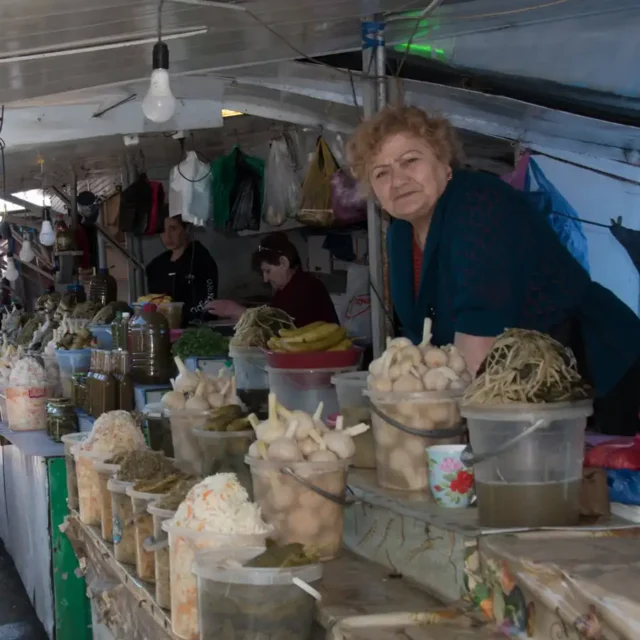
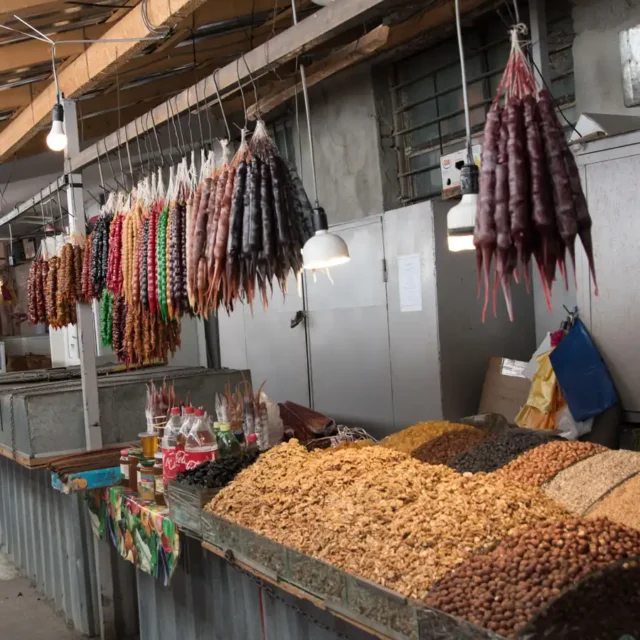
This is the most local market on the list. You don’t come here for a casual stroll—you come to see how people actually shop.
It’s a bit farther from the center, but totally worth it if you feel like stepping out of the tourist bubble. It’s bigger than it looks and combines a farmers market with a more varied bazaar area (Samgori Bazaar).
🔸 What to buy
- Fruits and vegetables at great prices
- Cheeses and local products
- Churchkhelas
- Pickles
- Homemade chacha
🔹 Pros / cons
- Pros: very authentic, low prices, almost no tourists
- Cons: farther away, less accessible, not the most “user-friendly” experience if you’re not used to it
✔️ Practical info
- Opening Hours:
- Farmers market: 9 am to 6 pm
- Samgori Bazaar: 6 am to 10 pm
- Metro stop: Samgori
4. Bazari Orbeliani
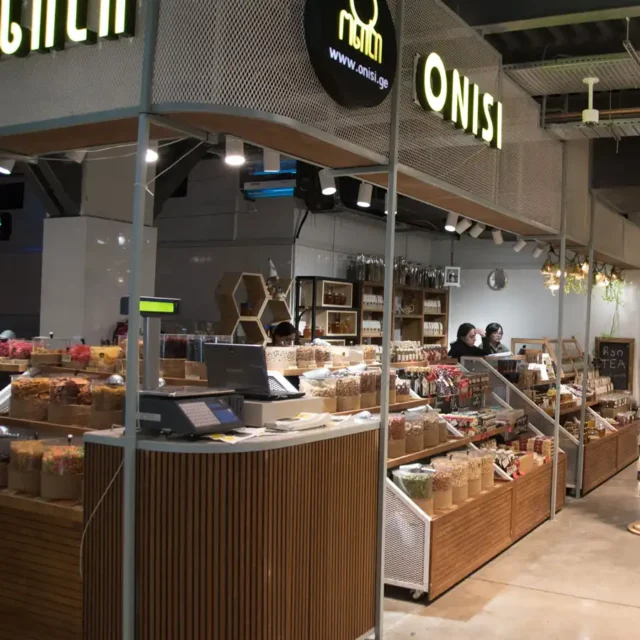
This is Tbilisi’s “pretty” market for grabbing a bite. A modern, well-kept space that feels much more organized than traditional markets.
You won’t find the usual Georgian chaos here—just good food, quality products, and a more relaxed vibe. It’s a mix between a gourmet market and a restaurant area, perfect if you feel like treating yourself.
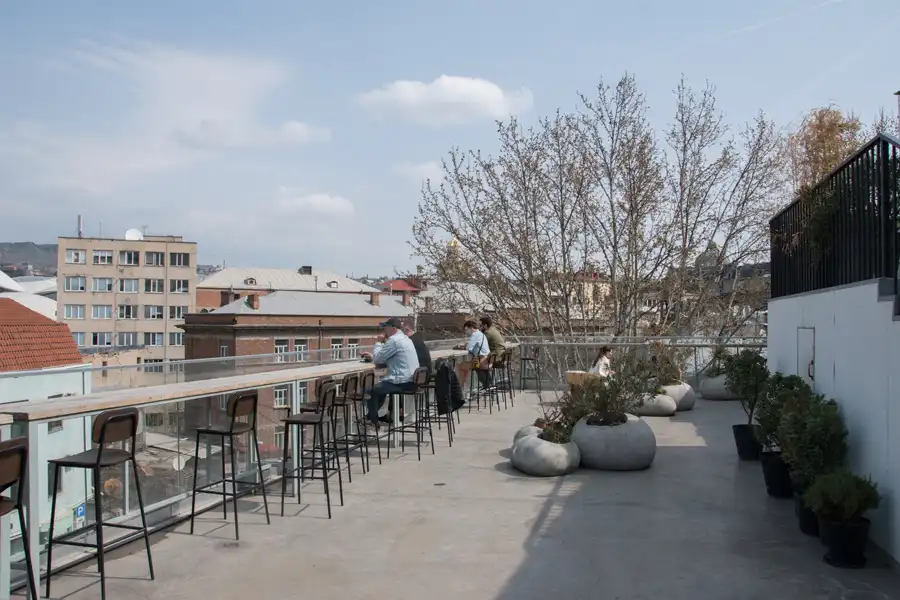
If you’re planning to eat here, don’t miss the upstairs terrace—it’s a really nice outdoor spot.
🔸 What to buy
- Georgian gourmet products
- Selected cheeses and cured meats
- Sweets and high-quality churchkhelas
- Wine (though there are better specialized places)
🔹 Pros / cons
- Pros: clean, pleasant, good quality, great for eating
- Cons: more expensive, less authentic, more geared toward visitors
✔️ Practical info
- Opening Hours: restaurants from 8 am to midnight, stalls close earlier
- Metro stop: Liberty Square
5. Meidan Bazaar
This market is right in the old town and is probably the most touristy in the city.
It’s set inside tunnels and has a pretty unique atmosphere, although it’s clearly designed more for visitors than locals. Still, if you’re in the area, it’s worth a quick look.
There are plenty of interesting products, and it’s the ideal place to buy souvenirs—especially if you’re short on time.
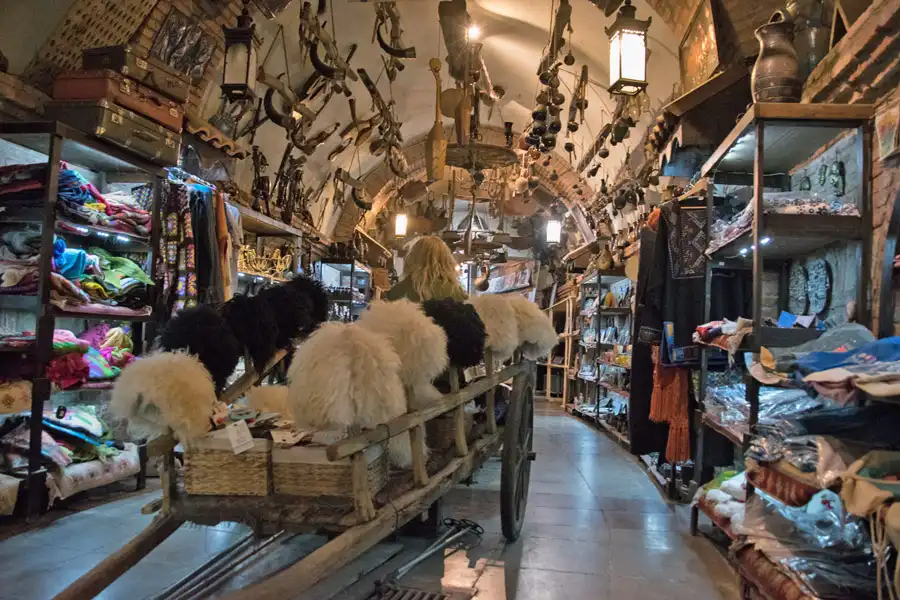
🔸 What to buy
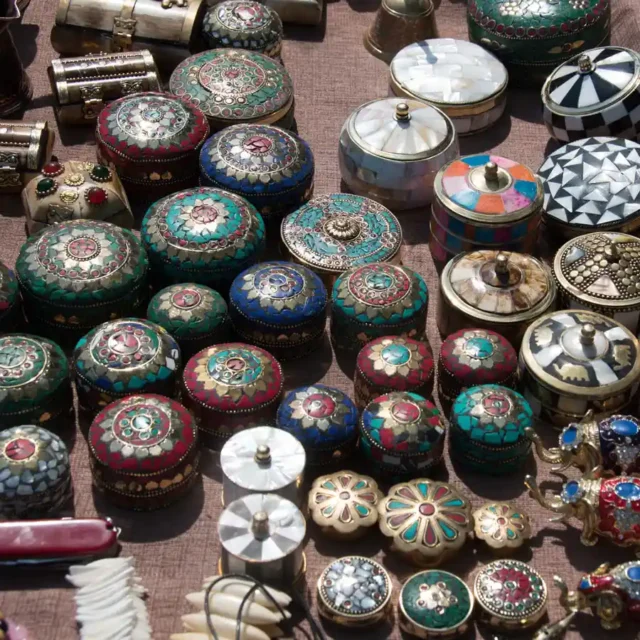
- Typical souvenirs
- Handicrafts
- Wine and local products
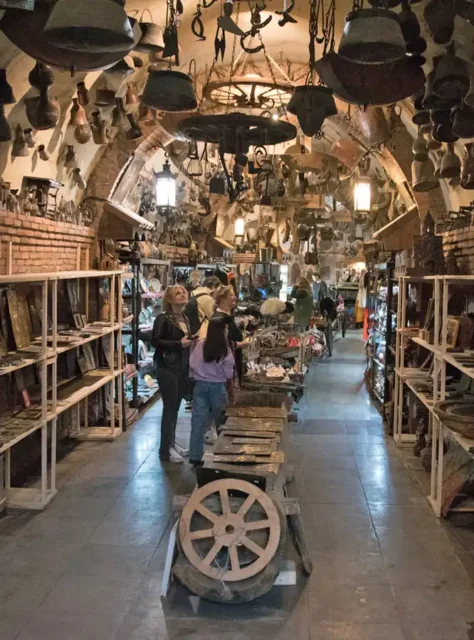
🔹 Pros / cons
- Pros: very central, nice-looking, easy to visit
- Cons: expensive, not very authentic
✔️ Practical info
- Opening Hours: every day (hours vary by shop)
- Area: Tbilisi old town
Other markets in Tbilisi
Here are a few other markets and areas that might interest you, although they’re not essential. If you’ve got extra time or happen to pass by, they’re worth checking out.
1. Underpasses (and overpasses)
Many pedestrian crossings under (and over) major avenues are packed with small stalls selling all kinds of things. They’re interesting, though some can feel a bit chaotic.
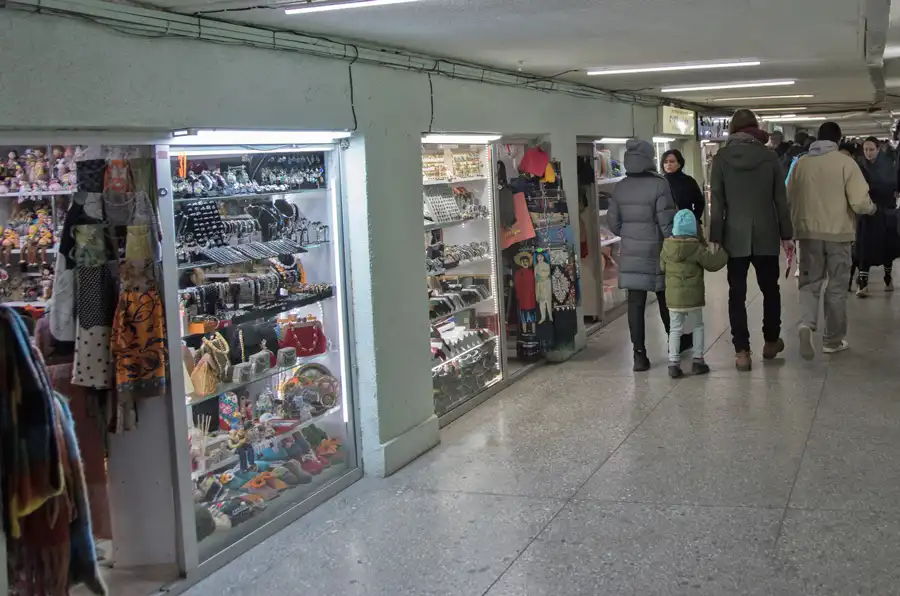
The biggest ones are at Liberty Square and Station Square.
In particular, at Station Square there are areas above the train tracks. Then, on the other side of the station, you’ll find the underground passages, which are huge and a great place to pick up cheap clothes and accessories.
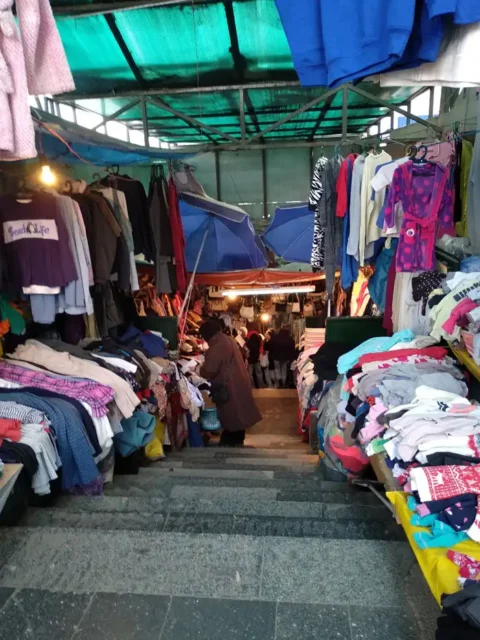
2. Rike Bazaar
This is a small underground market next to Rike Park. It’s not especially big or essential, but it works as a quick stop if you’re walking around the area. It’s a mix of typical products and some more modern items.
3. Lillo Market
It’s the largest open-air market in the city (and probably the country), but it’s quite far from the center. You’ll find a bit of everything here, especially cheap clothing. More practical than touristy.
4. Didube
A fairly large market next to the marshrutka station. It mainly offers fresh food, ready-to-eat dishes, bread, and local products. Very local and not really aimed at visitors.
5. Orbeliani Flower Market
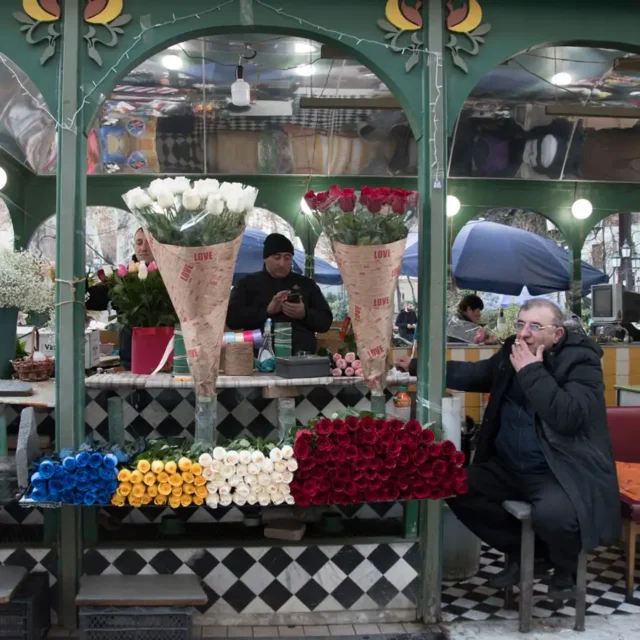
In Orbeliani Square, there’s a small flower market.
It’s just a few permanent stalls in a covered area with black-and-white tiles. Its charm—at least to me—feels a bit like the flower stalls you’d see in Paris.
6. Christmas Market
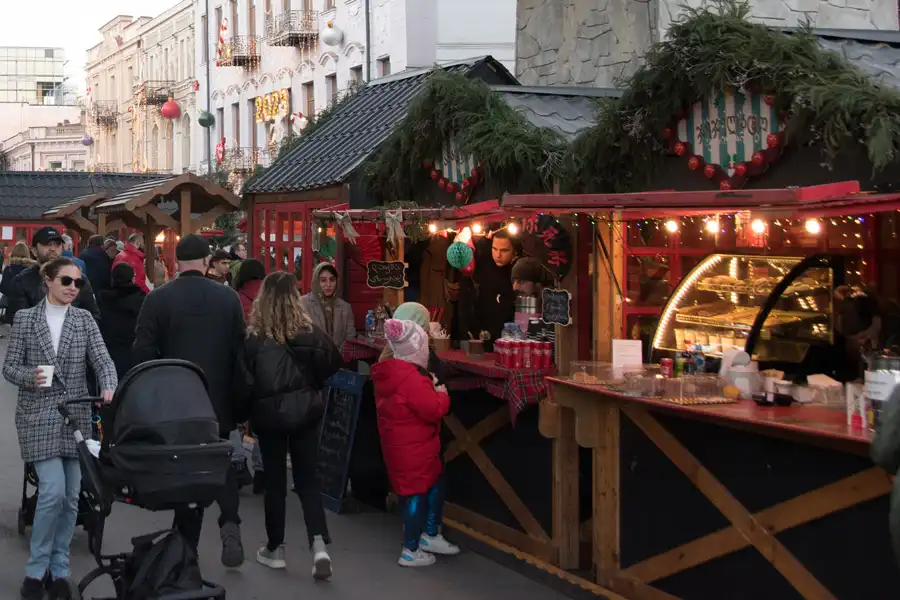
It’s set up at the end of December and runs until mid-January, since Orthodox Christmas is celebrated on January 7th. The main area is around Orbeliani Square and the nearby streets.
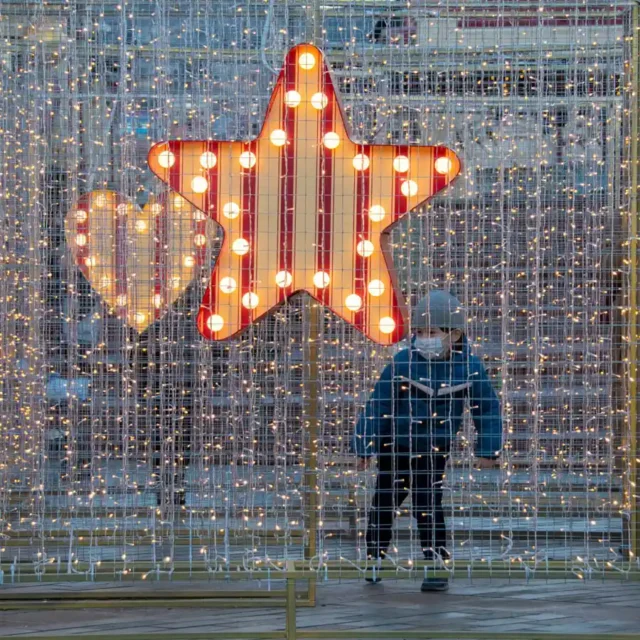
There are food stalls, spiced mulled wine, Christmas decorations, and a lively festive vibe. All with lights everywhere. If you’re in Tbilisi at that time, it’s pretty much a must-stop—and a great excuse to grab something to eat.
Tips
Here are some of my best tips for visiting markets in Tbilisi—they’ll help you avoid a few surprises and make the whole experience much smoother:
▪ Bargaining
Even though Georgia was part of the Silk Road, bargaining isn’t as common as you might expect. At most stalls, prices are already quite low and are people’s livelihood.
If you want to bargain, do it mainly at Dry Bridge, where it’s more common. In other markets, it’s better not to push too hard—or keep it very gentle.
▪ Payment (cash vs card)
This one’s important: bring cash.
In traditional markets like Dezerter or Isani, almost no stalls accept cards. You’ll only be able to pay by card in more modern places like Bazari Orbeliani or in some specific shops.
▪ Language
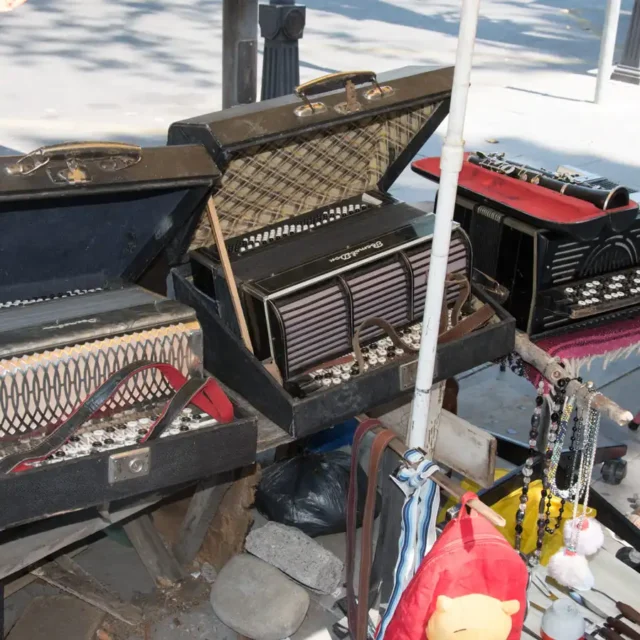
English isn’t widely spoken in local markets. Most of the time, people will speak Georgian or Russian.
But don’t worry—with your phone translator and a calculator for prices, you’ll be just fine. At the end of the day, buying stuff is pretty universal.
▪ Cultural interaction
People can be a bit… direct. Don’t expect constant smiles or super warm service at every stall.
It’s nothing personal—it’s just how locals are. That said, in more touristy markets or certain stalls, you’ll find very friendly people happy to chat.
I can also say that at Isani market, where there are barely any tourists, I met some very kind vendors who offered me samples and ended up chatting with me for a while.
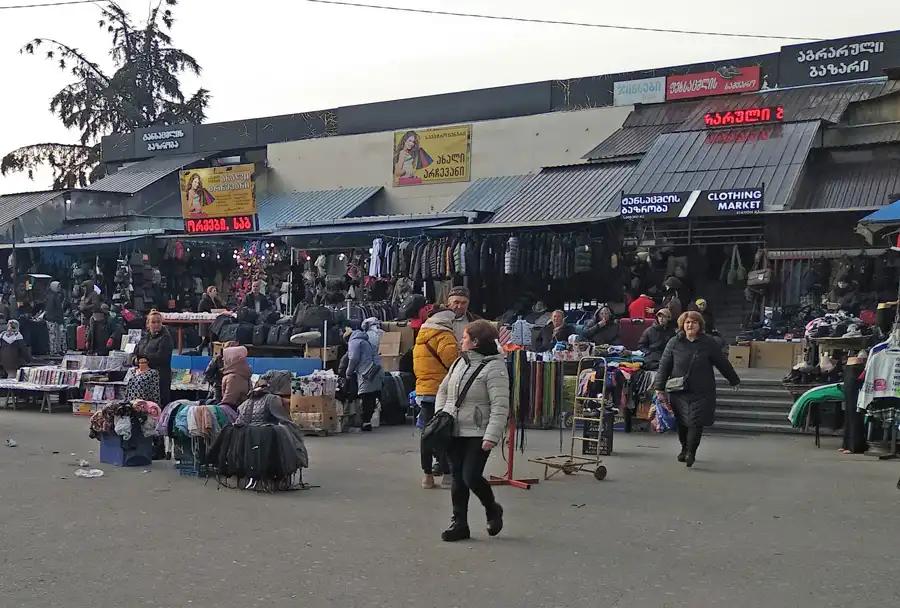
▪ Buying fresh food
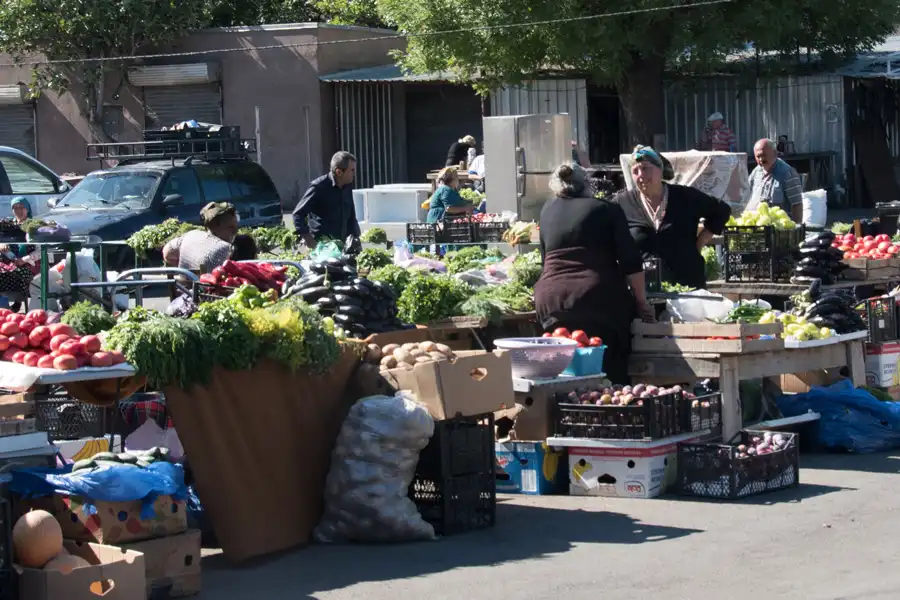
At many fruit and vegetable stalls, you don’t pick the produce—the vendor does. And yes, sometimes they throw in a bit of everything without much filtering.
For example, it’s happened to me with strawberries—they scoop them into the bag, and you end up with some that are a bit overripe. If you want to choose your own, look for stalls that allow it, although they’re usually a bit more expensive. If you watch how locals are served, you’ll spot the difference.
That said, the overall quality is very good, especially for seasonal products.
FAQs
1. What is the best market in Tbilisi?
The most complete one is Dezerter Bazaar. If you’re looking for something more unique and different, Dry Bridge is the most interesting.
2. Where to buy souvenirs in Tbilisi?
Meidan Bazaar is the most convenient location-wise, though more expensive. If you want something more original, you can find unique items at Dry Bridge.
3. Can you pay by card in the markets?
In most cases, no. You’ll need cash, except in more modern markets like Bazari Orbeliani.
4. Are markets in Georgia cheap?
In general, yes. Prices are quite affordable, especially in local markets. In more touristy areas, prices are a bit higher.
Final Thoughts
Tbilisi’s markets are one of the best ways to experience the city beyond the usual sights. Each one has its own style, from authentic chaos to more modern spaces. Above all, go with curiosity and take your time—that’s the best way to enjoy these places.
I’ll leave you with a quote:
“The true way to discover a country is not by visiting its monuments, but by speaking with its people.”
Michel de Montaigne
If you have any questions, leave me a comment below and I'll help you as much as I can. If you found the article useful, share it with other travelers. Have a good trip! 😘
More about Tbilisi



Hi, I’m Andrea, creator and author of Viajeros Activos (Active Travelers). I write about Southeast Asia, the Caucasus, and Europe. I’m a full-time traveler, passionate about good food, and always looking for new adventures.